Tip: Activate javascript to be able to use all functions of our website
Tip: Activate javascript to be able to use all functions of our website

Since 2015, the 2030 Agenda for Sustainable Development has been the compass for development cooperation. However, the seventeen goals are not only the decisive guideline for the international community, but also for each country itself. The SDGs apply universally, equally to all, and encompass the three dimensions of sustainability – social, environmental and economic.
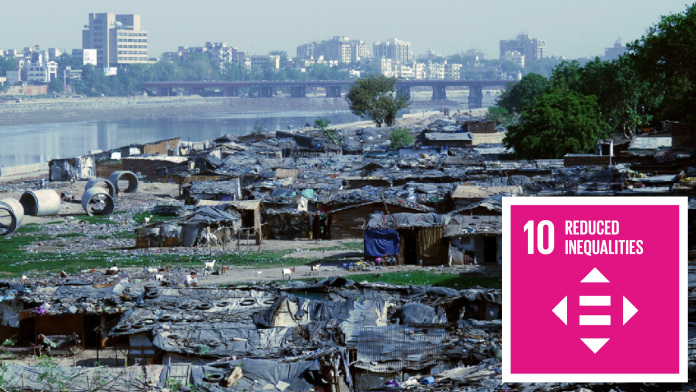
"Leave No one behind" – was the hopeful slogan at the time. However, it is now clear that the SDGs cannot be achieved without additional efforts. Far too many people are still left behind: they are poor, sick, hungry or have no electricity, no clean water, have to work under intolerable conditions or are discriminated against. They are not yet entitled to what they need for a decent life. The promises made in 2015 are far from being fulfilled.
The 2023 mid-term review already showed a sobering picture. At the time, the UN stated that the goals would largely be missed. The world was only on track for 15 percent of the goals – not enough to achieve the projected goals by 2030.
A year later at the Future Summit, the outcome was very similar. Progress on most of the SDGs was either too slow or development had even fallen below the 2015 level, it said.
Not much has changed in this regard in 2025. On the contrary, at the Financing for Development Conference in Seville, UN Secretary-General Guterres stated that two-thirds of the goals were behind schedule and that more than USD 4 trillion would have to be invested annually to achieve them after all.
There are various reasons for the failure to achieve the goals so far: Crises of all kinds keep the world on tenterhooks, from the Middle East to Ukraine. In addition, there are minor and major conflicts such as in Yemen, Sudan, Congo, but also in Niger, Cambodia, or Venezuela. "We are experiencing the highest number of conflicts since the end of the Second World War," complains Guterres. A quarter of humanity lives in conflict-affected areas. All this, combined with a debt crisis, widely faltering democracies and, most recently, drastically shrinking financial resources, makes achieving the SDGs significantly more difficult.
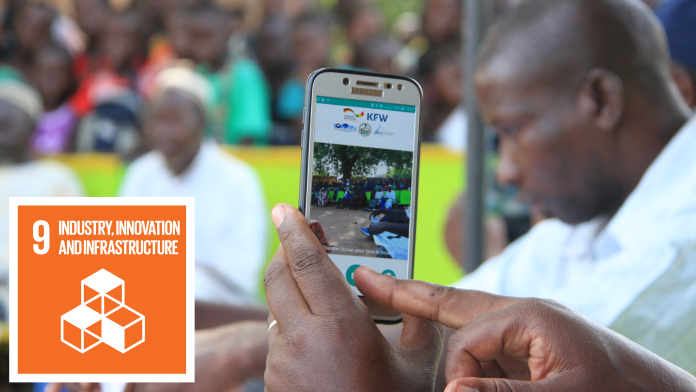
As one of the largest financing organisations in international cooperation, KfW Development Bank has supported its partner countries in implementing and achieving the SDGs in recent years. With its financing, KfW contributes in principle to all the goals of the 2030 Agenda.
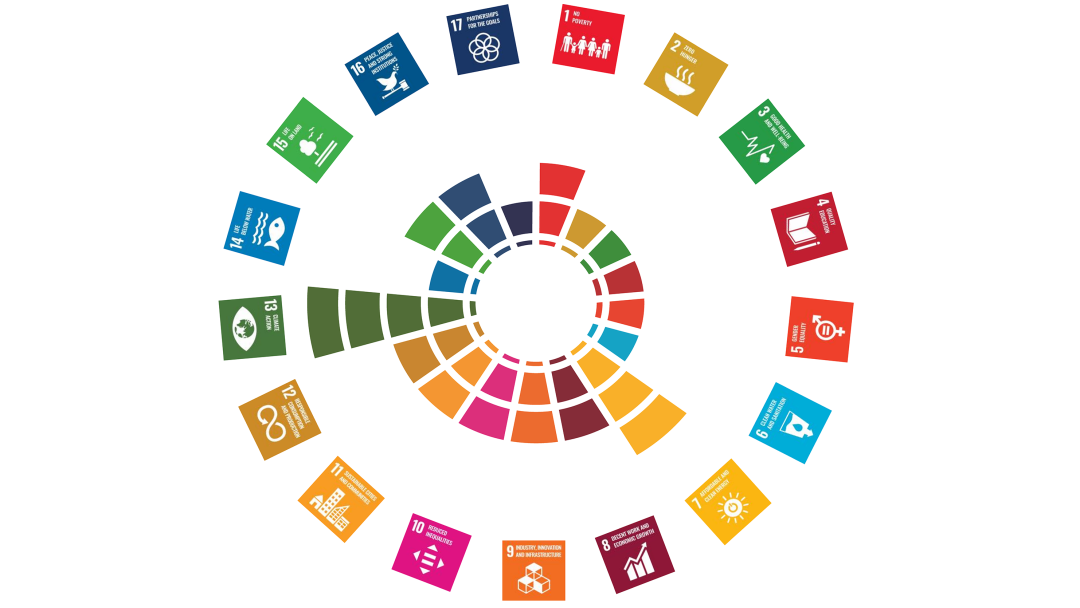
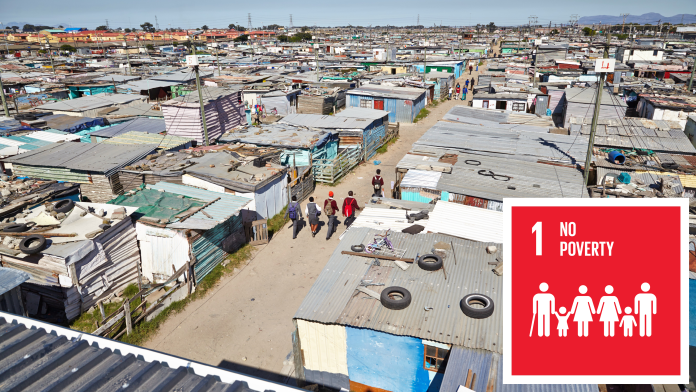
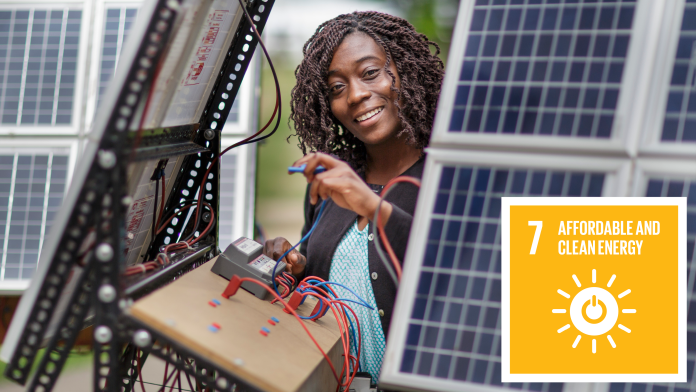
In the last financial year, new commitments amounted to almost EUR 10 billion. Two particular focal points were climate protection (SDG 13) and the promotion of affordable and clean energy (SDG 7) – two areas that are closely linked. Other priorities included combating poverty (SDG 1), preserving terrestrial biodiversity (SDG 15) and promoting peace and strong institutions (SDG 16).
Achieving the SDGs will require enormous investments that cannot be made from public funds alone. The mobilisation of private capital, particularly through the instrument of impact investment, is therefore becoming increasingly important in development finance.
KfW will not let up in its commitment to achieving the SDGs; they will continue to guide its actions – also for the remaining time until 2030. As before, it will always be guided by the overarching core messages of the 2030 Agenda: promoting human dignity and peace, protecting our planet, well-being for all and advocating for global partnerships.
The SDG mapping of KfW Group – Background information and methodological notes
Sustainable Development Goals – United Nations
What has been achieved so far? The Sustainable Development Goals Report 2024
Global Sustainable Development Report (GSDR) 2023
The 2030 Agenda for Sustainable Development (BMZ) (German only)