
Tip: Activate javascript to be able to use all functions of our website
Tip: Activate javascript to be able to use all functions of our website
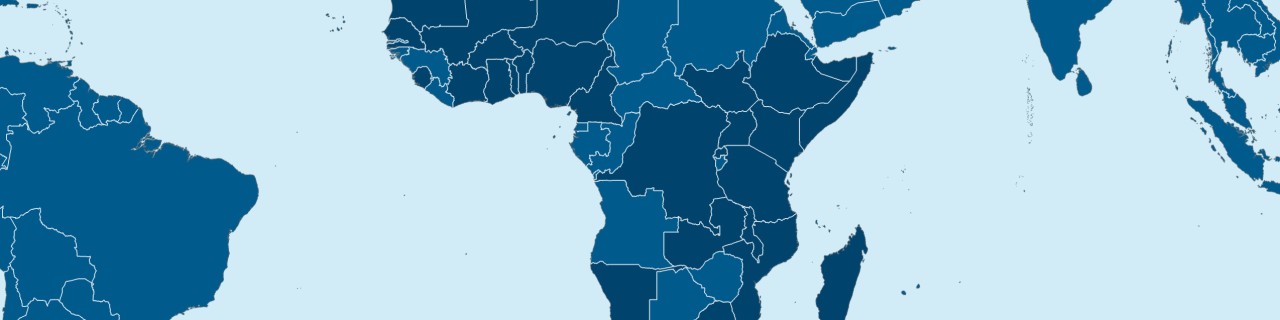
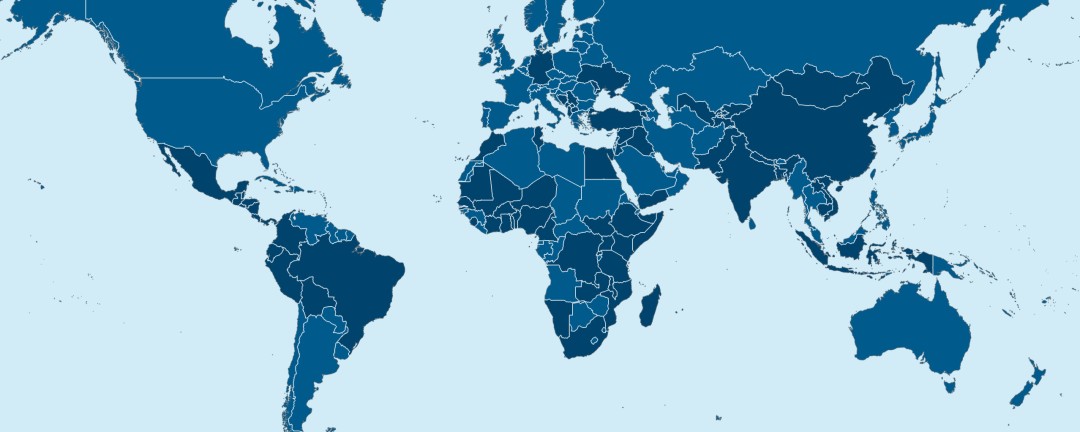
Africa is a continent of contrasts: Between rich and poor, between deserts and rainforests, between booming states and fragile contexts. In short: Africa cannot be lumped together. Sub-Saharan Africa comprises 49 of the 54 African states. More than one billion people live there.
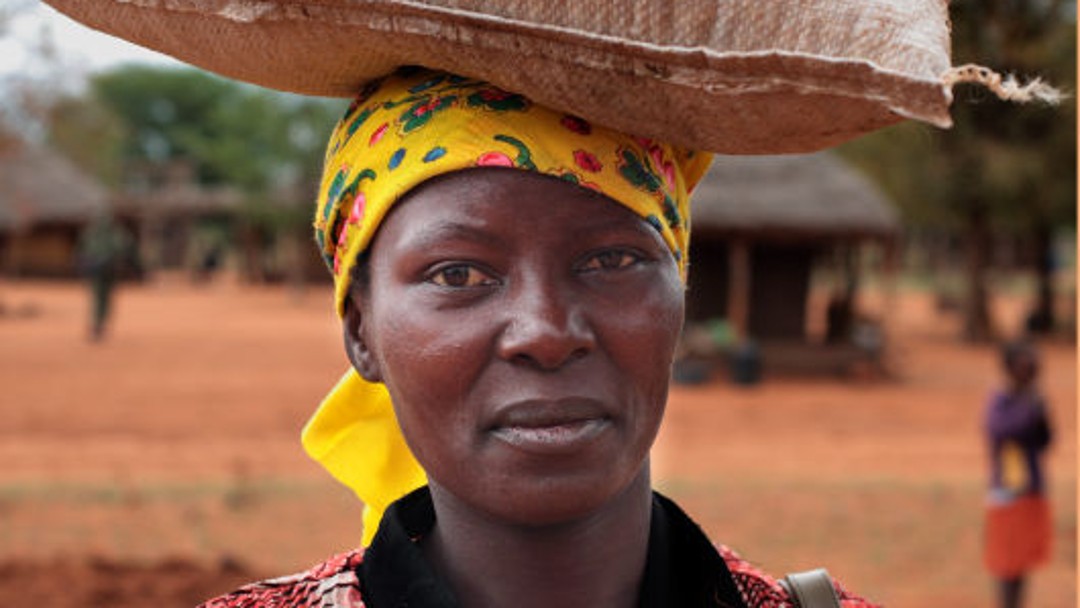
This part of Africa is one of the poorest regions in the world: millions of people still live in poverty and there is a lack of clean water and adequate healthcare. But that is only part of the truth.
Africa is also a continent of opportunities. With economic growth ranging from 5% to 9%, several African countries are now among the world’s fastest-growing economies, while the average growth rate remains stable at 3.6%.
In an increasingly complex geopolitical situation, these African states are important partners for Germany. Emerging markets offer German and European companies new export and investment opportunities. At the same time, reliable access to critical raw materials is becoming increasingly important for German and European industry. On behalf of the Federal Ministry for Economic Cooperation and Development (BMZ), KfW also promotes these economic interests.
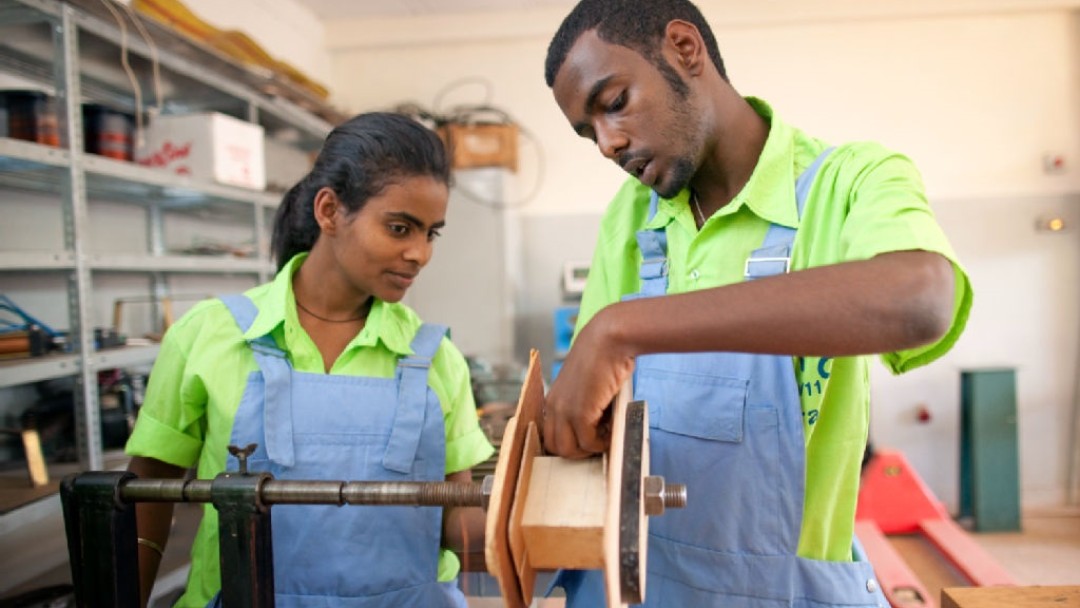
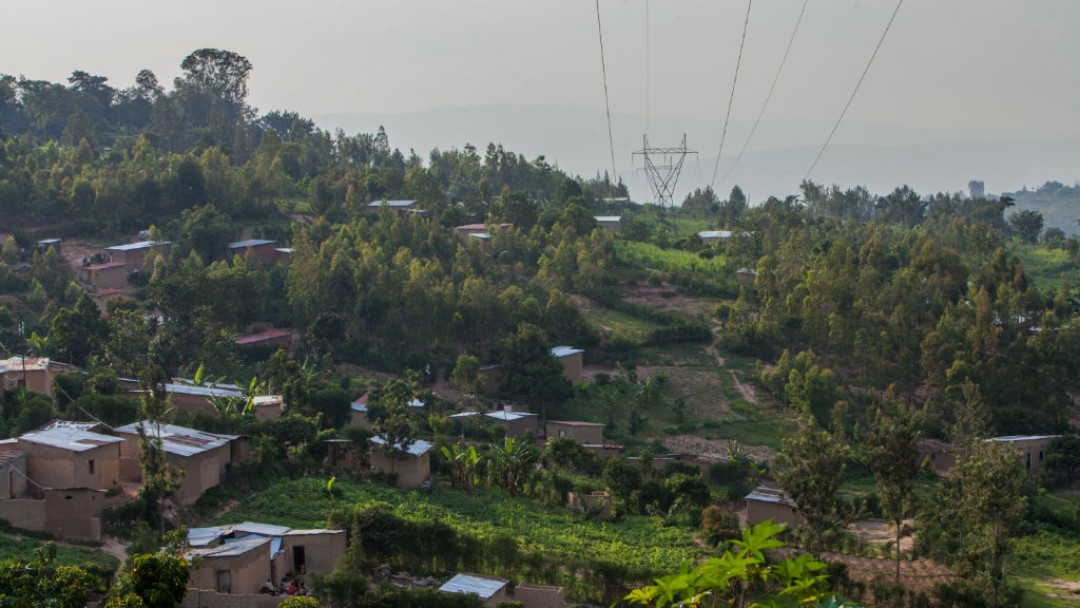
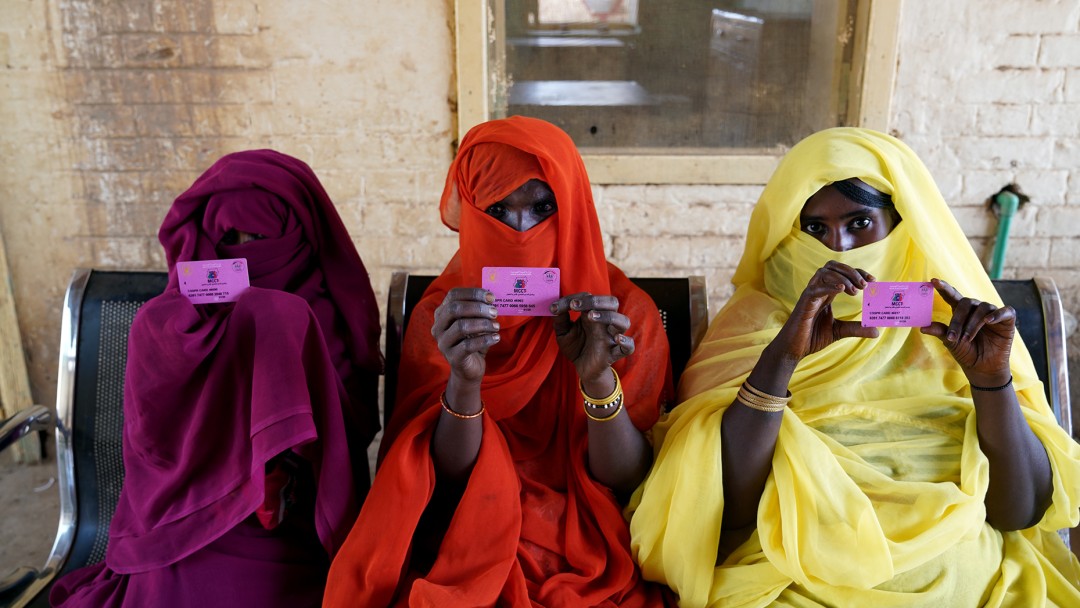
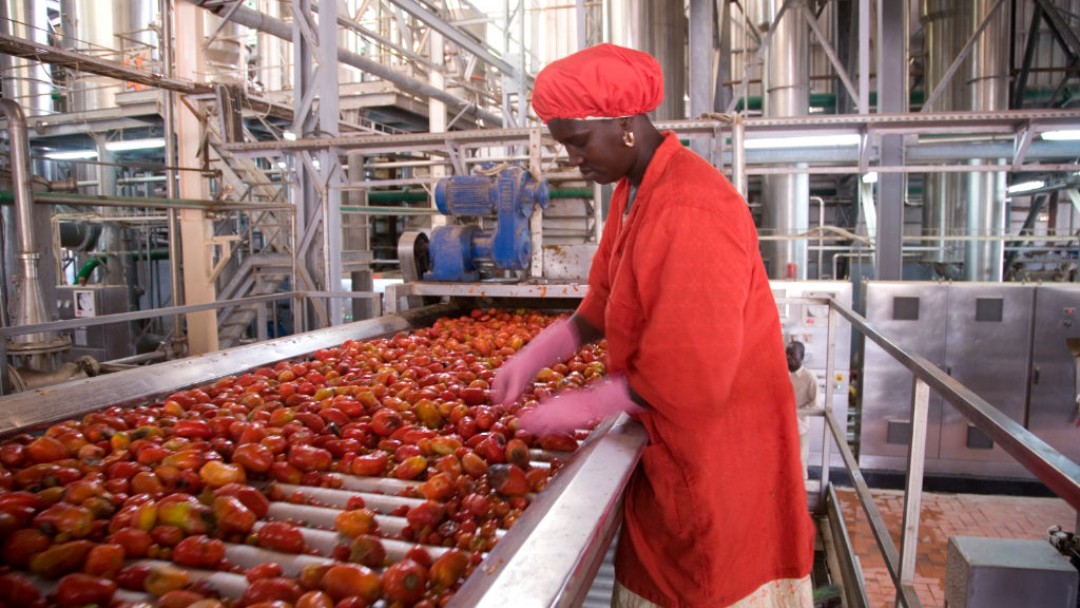
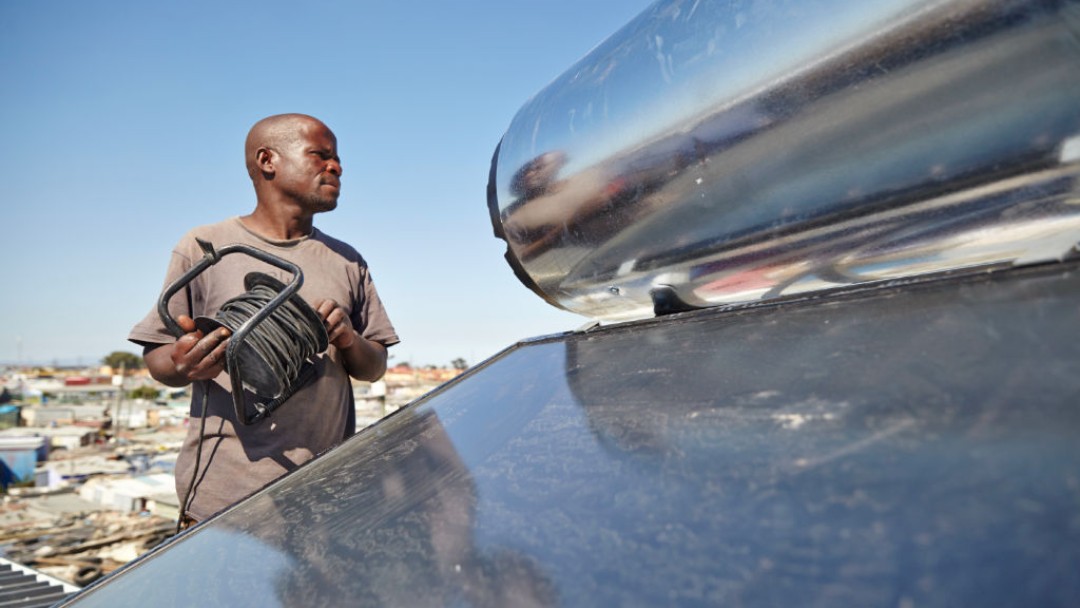
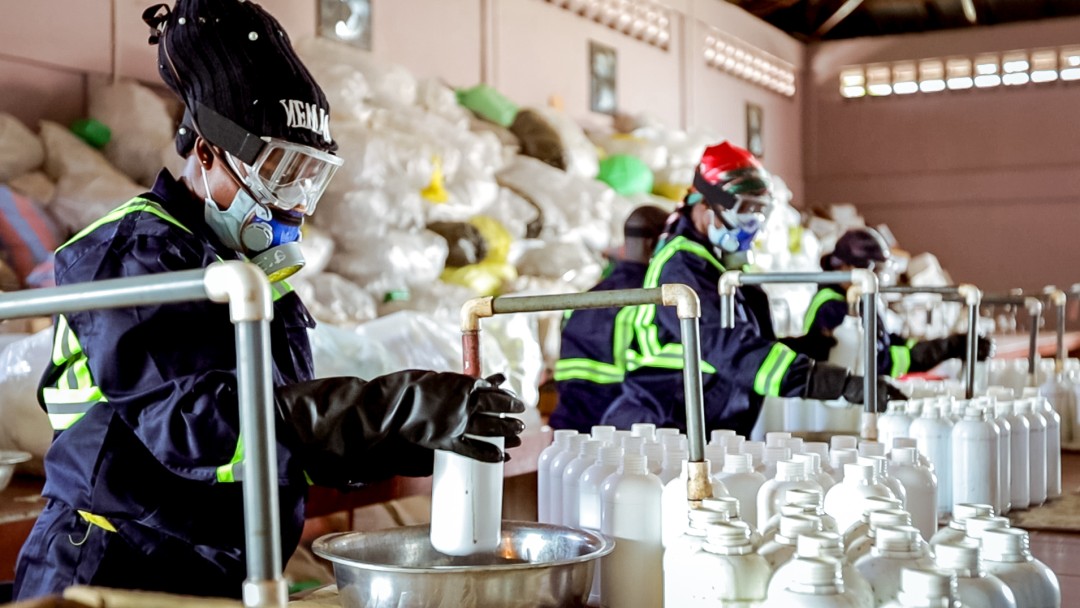
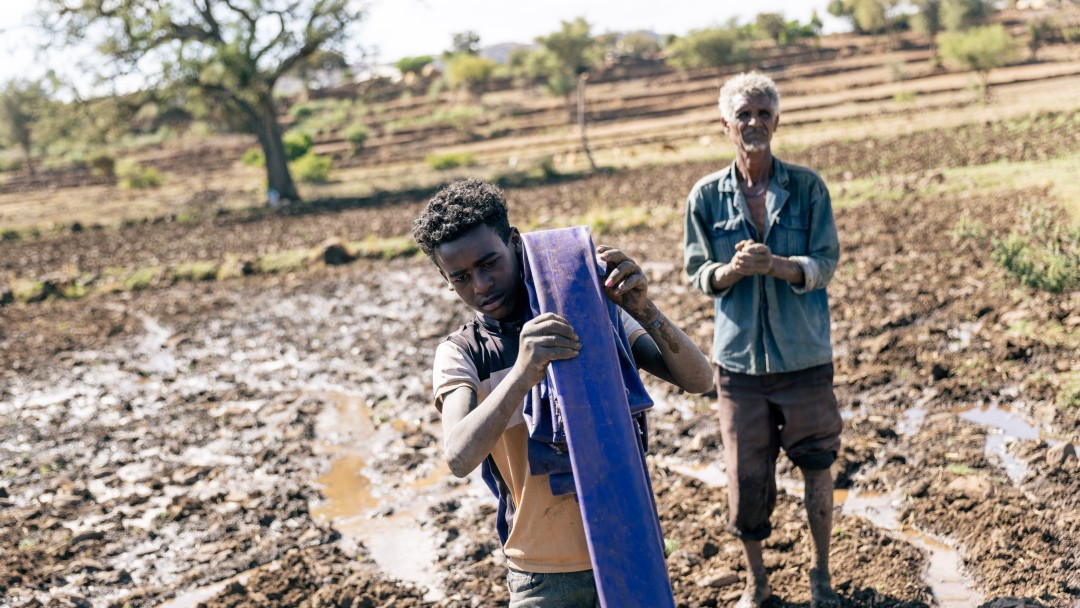
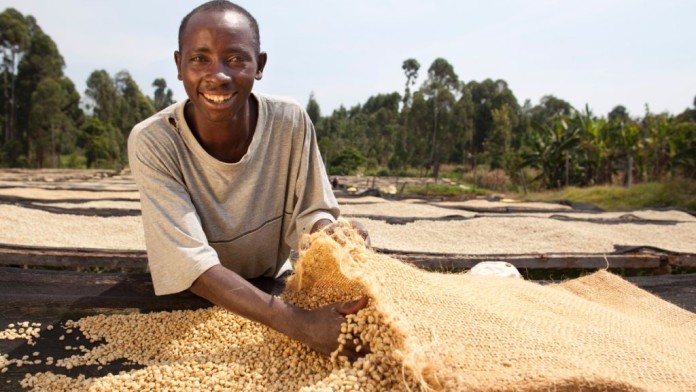
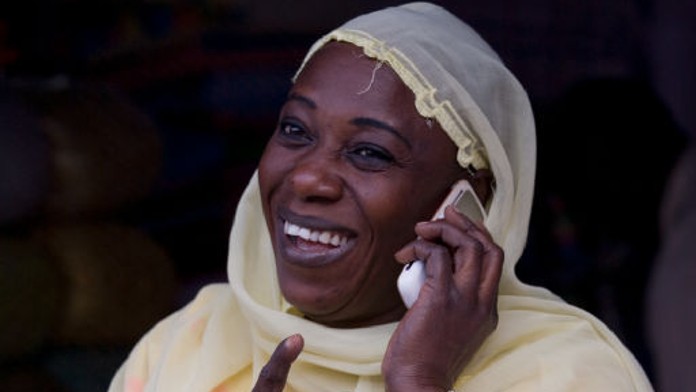
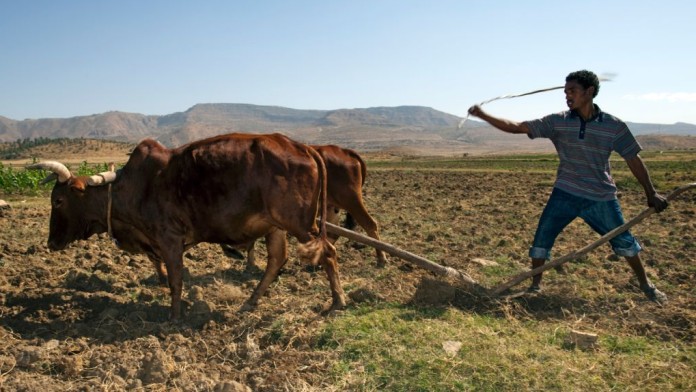
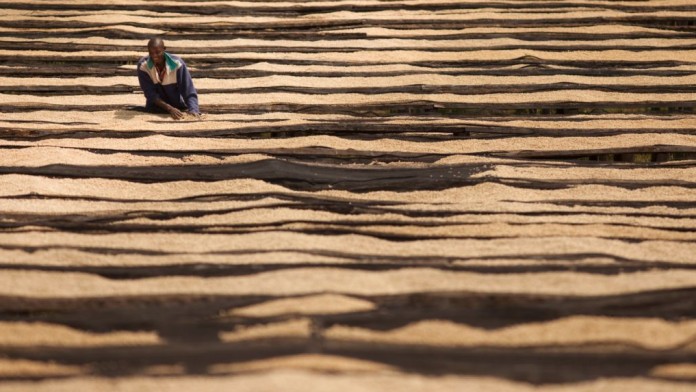
KfW, on behalf of BMZ, is helping to make growth reach the poor by supporting numerous projects agreed with partner governments: schools and roads are being built, health stations are being built, water and sanitation services are being improved, and renewable energy sources are being developed and expanded. There is support for agriculture and food security. (Micro-)loans are made available for small and medium-sized entrepreneurs and start-ups so that they can build their own business. Governments are being supported in decentralizing their administrations.
KfW Development Bank has committed around EUR 2.15 billion for sub-Saharan Africa in 2025.

Share page
To share the current page content with your network, click the button below and then select the desired option in the dialog box.
Note on data protection: By clicking the button, your browser's sharing function is used. If you select an external provider when sharing, personal data may be processed by the provider. Please read our data protection principles for more information.
Your browser does not support sharing with external services.
Alternatively, you can also copy the short link: https://www.kfw-entwicklungsbank.de/s/enzBWsuP
Copy link Link copied