
Tip: Activate javascript to be able to use all functions of our website
Tip: Activate javascript to be able to use all functions of our website
Rural development Cambodia
More participation, less poverty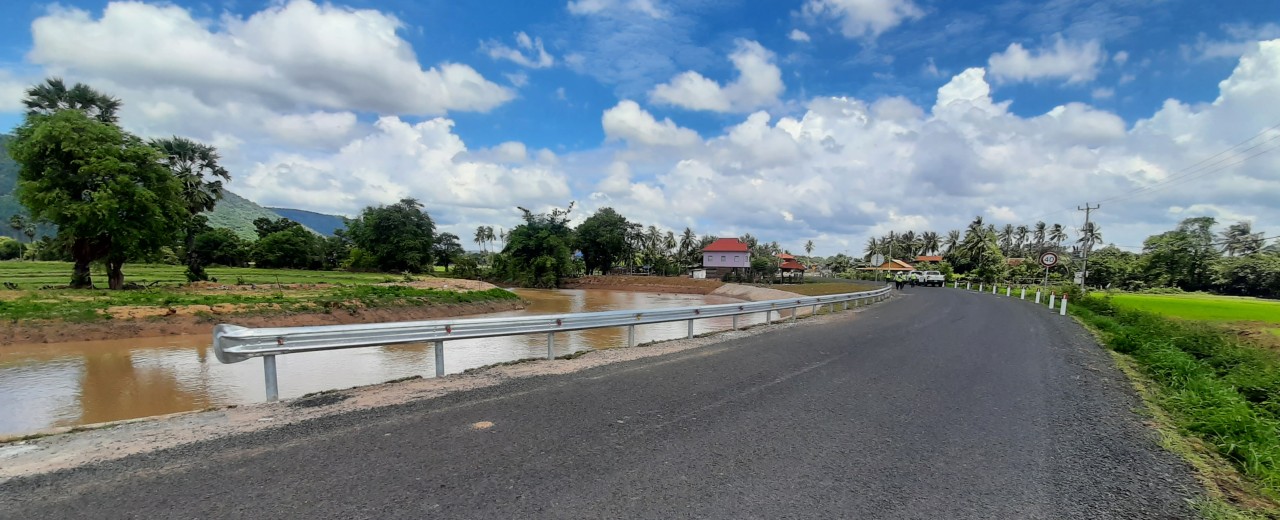
From April to October, Cambodia has a rainy season with long and heavy rainfall. 70 to 80% of the annual rainfall occurs during this period. Roads are flooded, bridges are damaged and entire villages are temporarily cut off from the outside world. Climate change is exacerbating this situation: prolonged droughts alternate with more intense monsoons, heavy rainfall, floods and erosion. Increasing traffic and overloaded lorries are also straining existing routes.
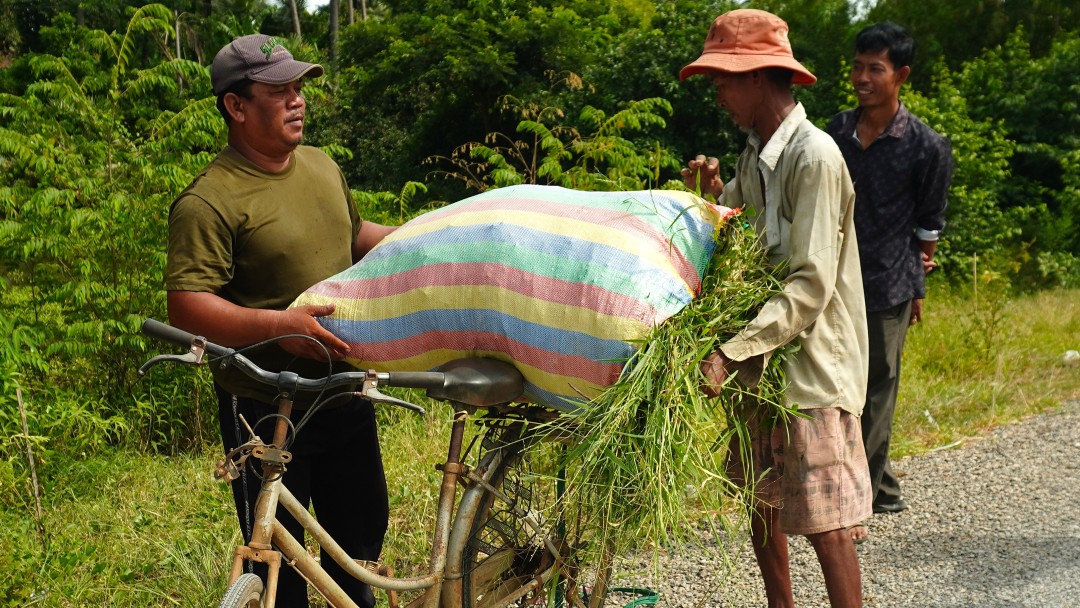
In rural Cambodia, the poor road network was – and still is – a key obstacle to development. On behalf of BMZ, KfW Development Bank has therefore been supporting the expansion of rural infrastructure for many years. Roads, bridges and additional small-scale infrastructure have been rehabilitated or newly built in 15 provinces to date, jointly financed with the Cambodian Ministry of Rural Development (MRD). Thanks to newly constructed dams, drains and erosion protection measures, roads are now much more likely to remain passable even during the rainy season. For thousands of people, this means faster, year-round access to markets, schools, health centres, and social services. Especially small family farms can sell their products better, mobility and participation increase and as a result incomes increase.
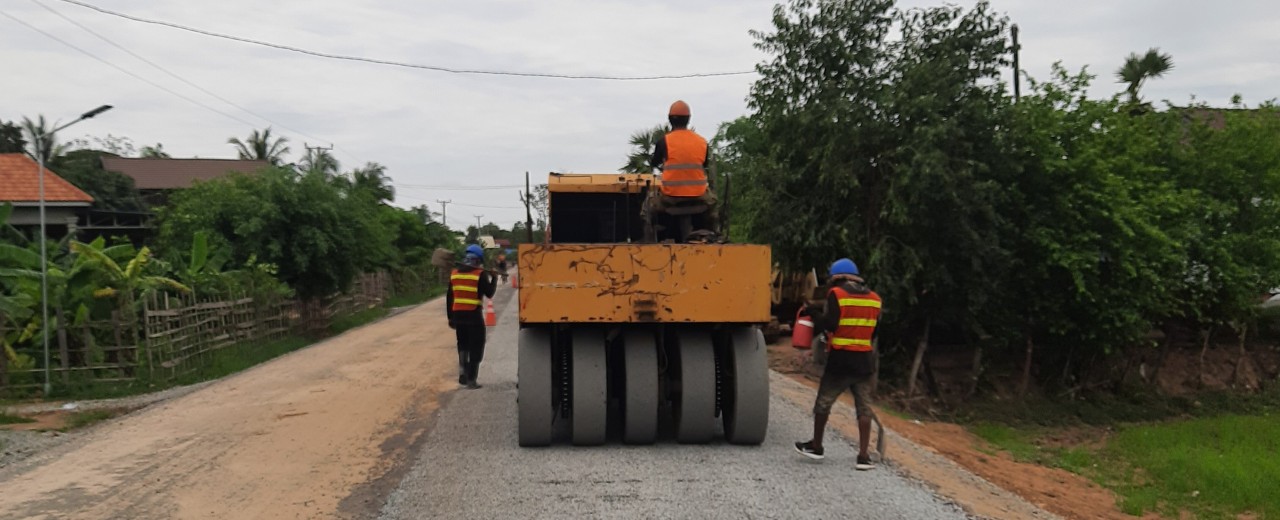
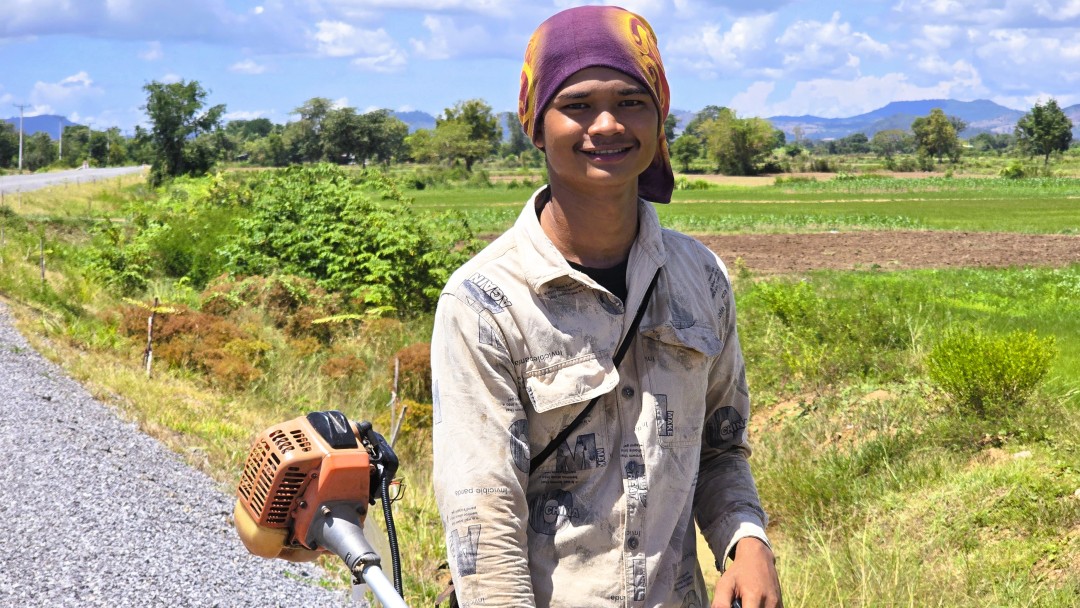
The involvement of local construction companies, the establishment of drainage structures and the implementation of additional infrastructure such as access routes, communal areas or rice drying areas further strengthen the regions. Road safety programmes have also been established, as better roads allow for higher driving speeds. In addition, MRD and county officials received maintenance management trainings.
The “Rural Infrastructure Programme” (RIP) ran from 2008 to 2021, and measures were implemented in six phases. In 2020, the new "Rural Infrastructure Development Programme for Cambodia" (RID4CAM) was committed, building on the previous phases and designed through various funding contributions to a comprehensive and integrated overall programme. The programme is implemented in co-financing with the Agence Française de Développement (AFD) and the EU. Part of the funds are used for climate adaptation measures, targeted maintenance measures and off-road measures such as small water systems, storage areas, water ponds or school and hall repairs.
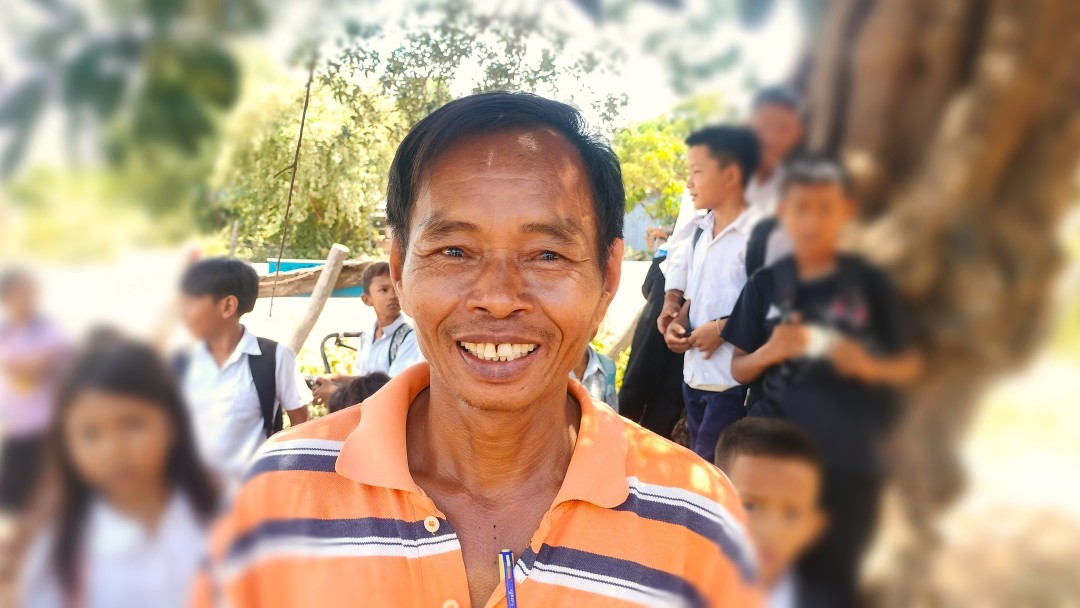
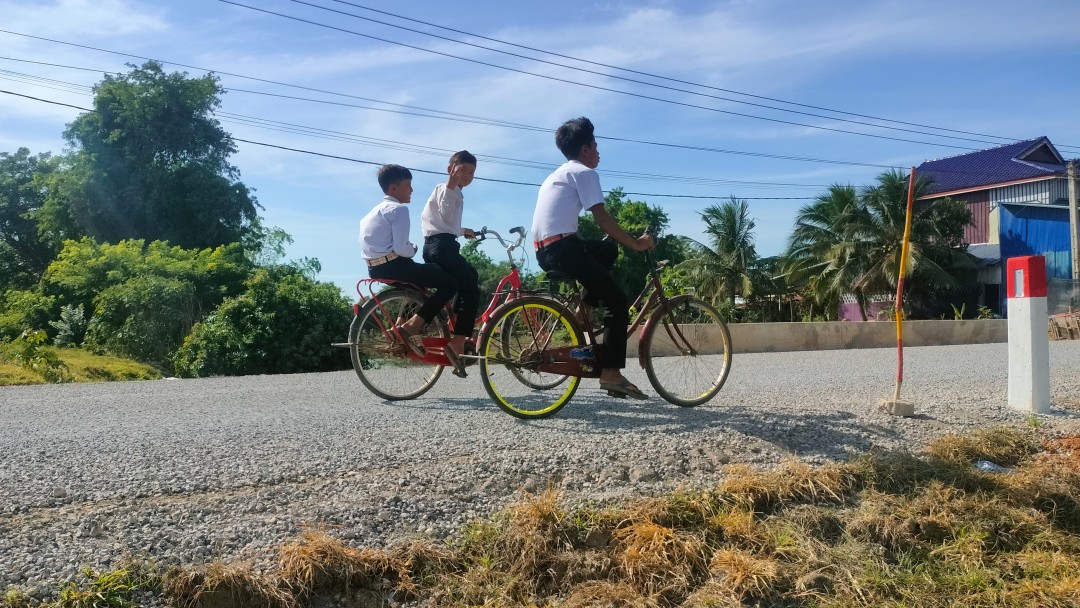
The results of previous evaluations demonstrate effectiveness: Improved roads led to significantly higher household incomes (+241% in six years), slightly lower poverty rates (-2%), and shorter travel times (-41%). Social effects were also visible: School attendance increased slightly (+5%) and visits to health centres increased. Rice production grew, and local businesses and trade between districts became more dynamic. An important development effect was seen for girls: Prior to the construction work, many parents did not let their daughters go to secondary school during the rainy season because they could not return home safely. The new year-round roads, for example in Khlong Popok in central Cambodia, have enabled 50% more girls aged 12-18 to enter school.
RID4CAM pursues a network approach: In addition to main roads, smaller connecting routes are specifically created to connect rural areas across the board. The programme is also closely linked to the AFD irrigation programme WAT4CAM (Water Resources Management and Agro-Ecological Transition for Cambodia). The interplay of irrigation infrastructure and year-round routes improves market access, agricultural productivity and climate resilience of entire regions.
RID4CAM now includes the upgrading of more than 570 km of rural roads in seven provinces of Cambodia, including Battambang, Siem Reap and Preah Vihear. The roads are being raised, equipped with sealed surfaces and improved drainage, and designed for increasingly frequent heavy rain events. The first major construction phase, covering a total of 325.6 km, started in February 2024, has been largely completed since August 2025 and is already in use. In parallel, road safety components such as new signage, road thresholds and traffic and training campaigns were introduced in all three provinces in order to increase road safety at increasing speeds.
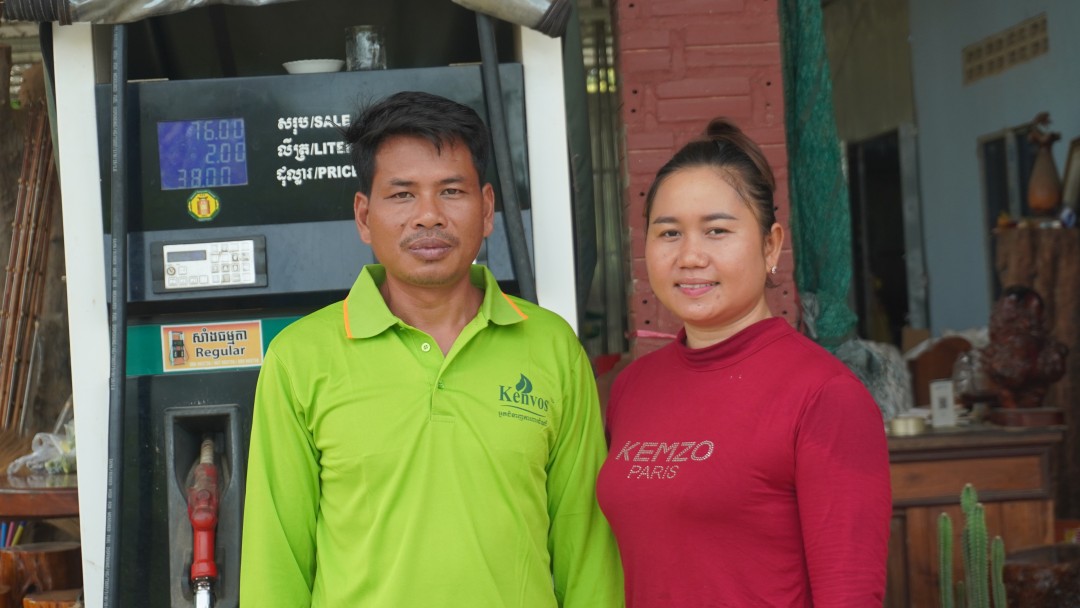
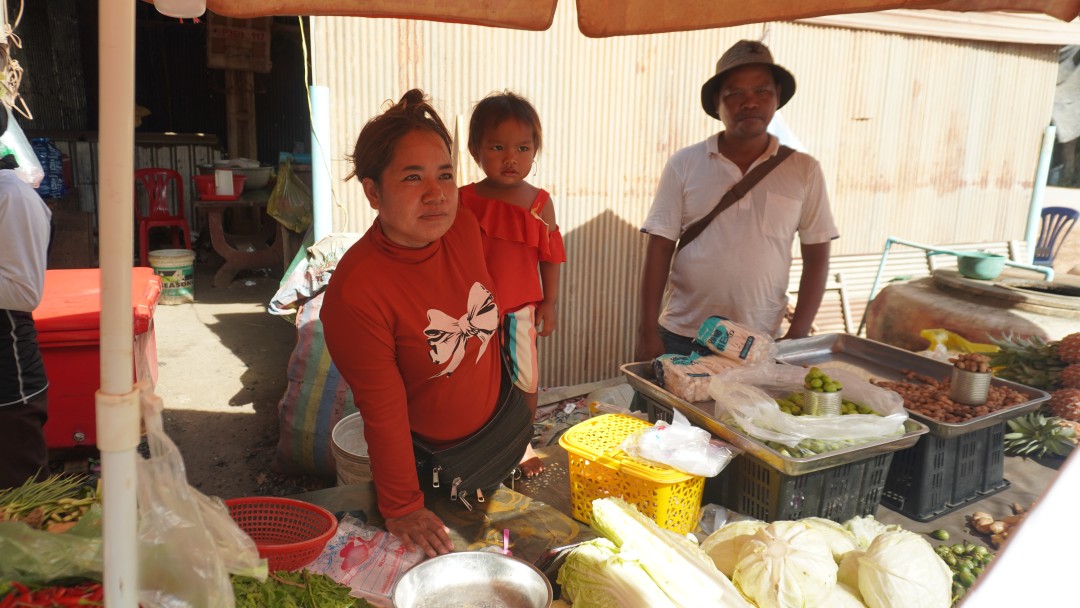
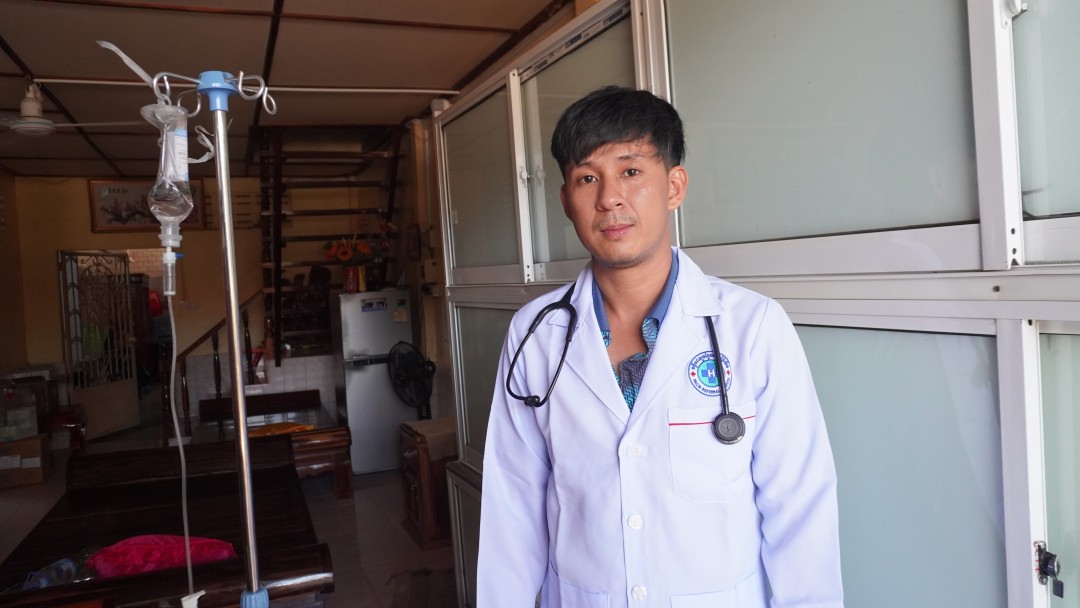
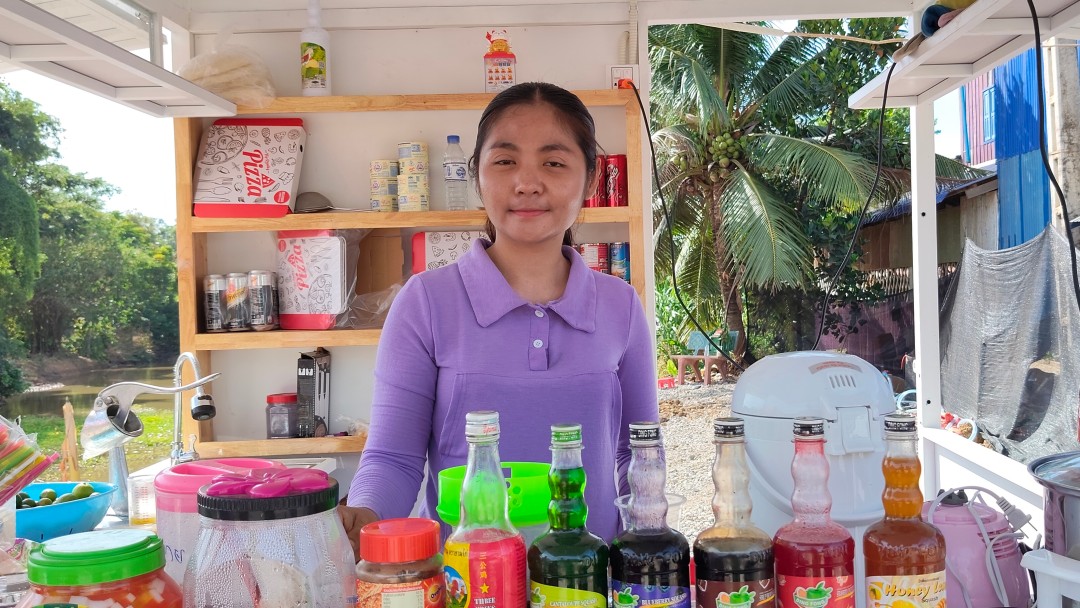
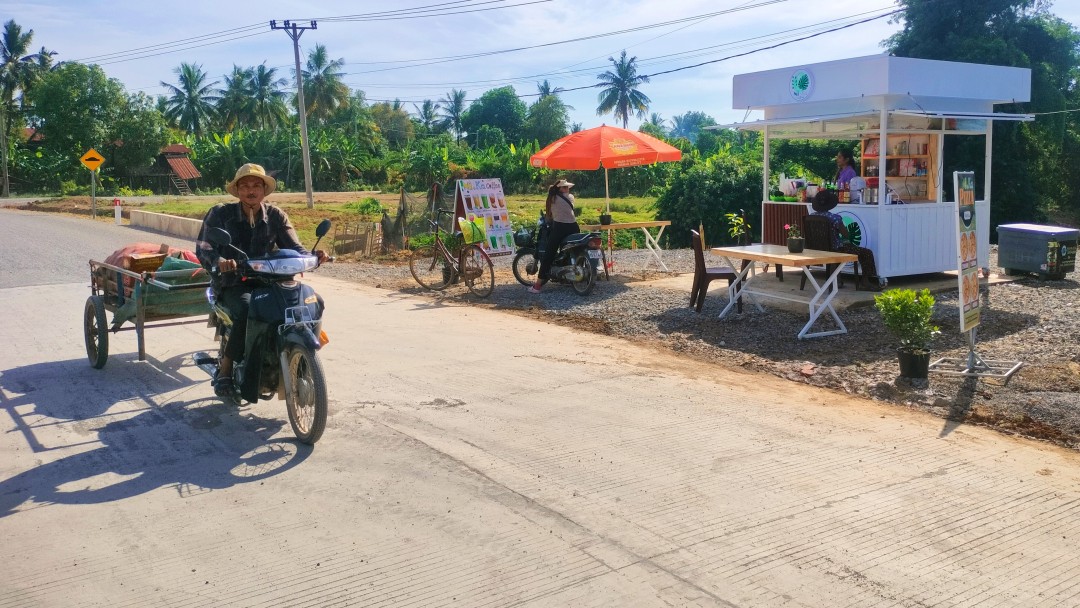
The economic impact is already evident: Shops are being built along the new routes, market stalls are recording increasing sales and many households are saving time and transport costs. Teachers and medical staff report safer routes to schools and health centres, including during the rainy season. In Battambang, the new roads will also facilitate the marketing of agricultural products. This province in the west of the country is also known as the "rice bowl of Cambodia". In its fertile plains, the aromatic jasmine rice grows which can be harvested up to twice a year.
In 2024, additional AFD funding enabled a third construction phase in the overall RID4CAM project. Building on the previous phases, at the end of 2025 the BMZ committed funds for a further phase, which focuses primarily on the maintenance of roads in order to improve the sustainability of rehabilitation measures. Training measures and capacity building for better maintenance management are to be supplemented by a digitisation component.
RID4CAM thus not only strengthens the transport infrastructure, but also the economic base of rural regions. By combining climate-resilient road construction, complementary infrastructure and improved maintenance, the programme is helping to sustainably improve living conditions and opportunities in rural Cambodia – especially for women, children and low-income households.

Share page
To share the current page content with your network, click the button below and then select the desired option in the dialog box.
Note on data protection: By clicking the button, your browser's sharing function is used. If you select an external provider when sharing, personal data may be processed by the provider. Please read our data protection principles for more information.
Your browser does not support sharing with external services.
Alternatively, you can also copy the short link: https://www.kfw-entwicklungsbank.de/s/enzBY0RA
Copy link Link copied