
News from 2016-10-19 / KfW Development Bank
Habitat: "Cities play a crucial role"
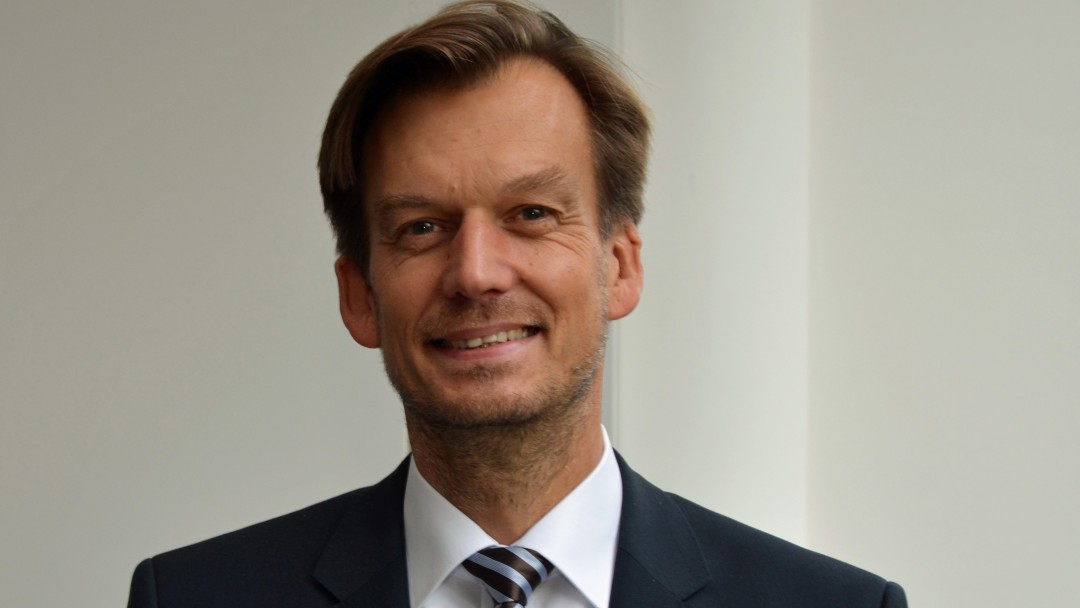
The UN Habitat member states are discussing the sustainable development of cities at the global Habitat III Conference on Human Settlements. KfW Director Marc Engelhardt is attending the conference in Quito, Ecuador.
What can a conference that is only held every 20 years achieve?
A long cycle like this is indeed unique in the varied world of UN conferences. But this makes every Habitat conference a historic event that sets the tone for a long time. At the same time, however, Habitat is a UN organisation that has been operating on a permanent basis since 1978. The organisation ensures that the things discussed at the conference are followed up on, and also organises various events and activities in between the big conferences. A number of regional and subject-related meetings were held purely in preparation for Habitat III in order to get all of the parties involved, including the German Habitat Forum which was held in Berlin in June this year.
What will the most important outcome of Habitat III be?
Habitat is the first major UN conference since the summits in 2015 to address the concrete implementation of the resolutions passed in Addis Ababa, New York and Paris. The conference's centrepiece is the ratification of the New Urban Agenda. This 23-page document defines cities as important agents in the fight against poverty and in the efforts to protect the climate. The New Urban Agenda's main aim is to achieve sustainable urban development with adequate living space and suitable living conditions for all residents. Investment in urban infrastructure is described as a central precondition. The document also focuses on national framework conditions, capacity development and municipal finance.
What is Germany's specific contribution?
Another important and concrete result of the Habitat conference was the signing of the Transformative Urban Mobility Initiative (TUMI). This was initiated by the German Federal Ministry for Economic Cooperation and Development (BMZ), closely supported by KfW and GIZ. The other partners include development banks such as the Asian Development Bank (ADB), the Latin American development bank CAF and the renowned World Resources Institute. As part of the TUMI, infrastructure investment in urban mobility is to be increased significantly. KfW Development Bank is planning to commit around EUR 1 billion both this year and next for urban mobility projects.
How can KfW contribute to the implementation of the New Urban Agenda?
In a lot of ways. More than half of KfW Development Bank's new commitments are already implemented in cities. I expect this proportion to grow even bigger as the process of urbanisation continues. We have decades of experience in urban infrastructure, for example with water supply and waste water disposal systems, or programmes aimed at making buildings more energy-efficient. We see a need for significant additional financing in these sectors in many cities. But we also see strong demand in other areas such as urban mobility, climate change adaptation measures or the prevention of violence.
What is the atmosphere like at the conference?
With around 45,000 delegates, the scale of the event alone far exceeds anything I have ever experienced before. The conferences last year in Paris and Addis Ababa did not even have half as many people attending. The diversity of the subject matters and of the institutions in attendance is also impressive. Urban development is a global issue with a lot of different facets. The world is meeting in Quito, and I am very happy to be able to be here, especially since the next Habitat conference will presumably be held in 2036 and therefore after my retirement.
Interview conducted by Charlotte Schmitz.

Share page
To share the current page content with your network, click the button below and then select the desired option in the dialog box.
Note on data protection: By clicking the button, your browser's sharing function is used. If you select an external provider when sharing, personal data may be processed by the provider. Please read our data protection principles for more information.
Your browser does not support sharing with external services.
Alternatively, you can also copy the short link: https://www.kfw-entwicklungsbank.de/s/enzBWrMC.BdFB
Copy link Link copied