
Tip: Activate javascript to be able to use all functions of our website
Tip: Activate javascript to be able to use all functions of our website

Generating positive impacts and improving living conditions as a result is the most important objective of development cooperation yet also one of its biggest challenges. After all, even though every Financial Cooperation project leads to concrete changes, the resulting impacts are not always direct and obvious. An important function of the evaluation process is therefore to examine positive and unintended negative impacts and quantify these as reliably as possible. This task is covered by the impact criterion in ex post evaluations. Past ex post evaluations are primarily based on figures and information from internal project documents, supplemented by an in-depth study of relevant literature and interviews with as many local stakeholders as possible. This method is well suited to study as many different aspects and nuances of projects as possible.
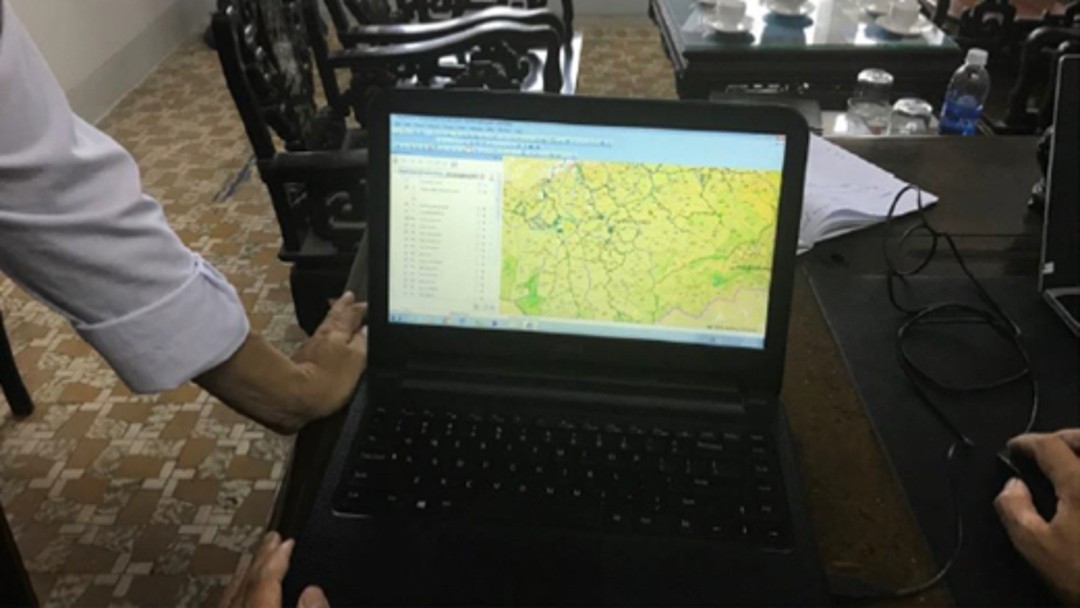
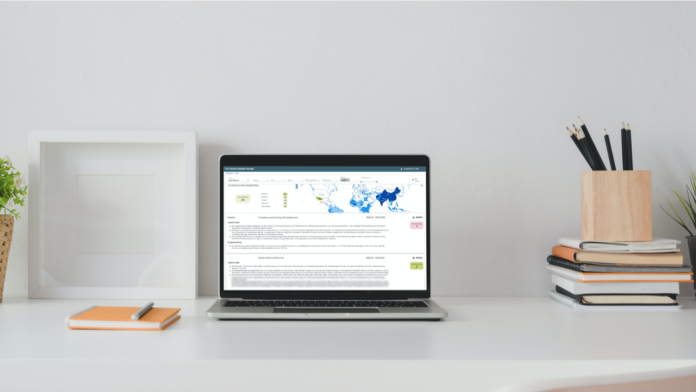
However, these sources provide only limited in-depth, quantitative information to assess the impacts and sustainability of a project. For this reason, further secondary data and new data sources, such as satellites, are being used on an increasing basis. These types of data can be a very useful source of supplementary information to enhance missing or inconsistent data during the project implementation phase and thereafter. These approaches showcased their strengths in the context of coronavirus pandemic travel restrictions, enabling work to continue on a remote basis. In addition to satellite data, there are a number of other new (and old) data sources and forms of analysis. Over recent years, recording and application of these sources has become significantly easier thanks to the following developments:
As a result, a quantitative, more data-driven analysis becomes much more feasible – even remotely. In some cases, this also makes rigorous evaluation approaches easier to implement. For example, satellite data can be used to record baseline information retrospectively, which improves the design of the evaluation. Combining traditional types of data with these new sources of data opens up new perspectives, increases the information content and improves the robustness of findings.


Share page
To share the current page content with your network, click the button below and then select the desired option in the dialog box.
Note on data protection: By clicking the button, your browser's sharing function is used. If you select an external provider when sharing, personal data may be processed by the provider. Please read our data protection principles for more information.
Your browser does not support sharing with external services.
Alternatively, you can also copy the short link: https://www.kfw-entwicklungsbank.de/s/enzBYG6v
Copy link Link copied