
News from 2026-05-21 / KfW Development Bank
West Kalimantan – sacred forests and rituals
The International Day for Biological Diversity, which takes place on 22 May, aims to raise public awareness worldwide of the importance of protecting ecosystems and plant and animal species
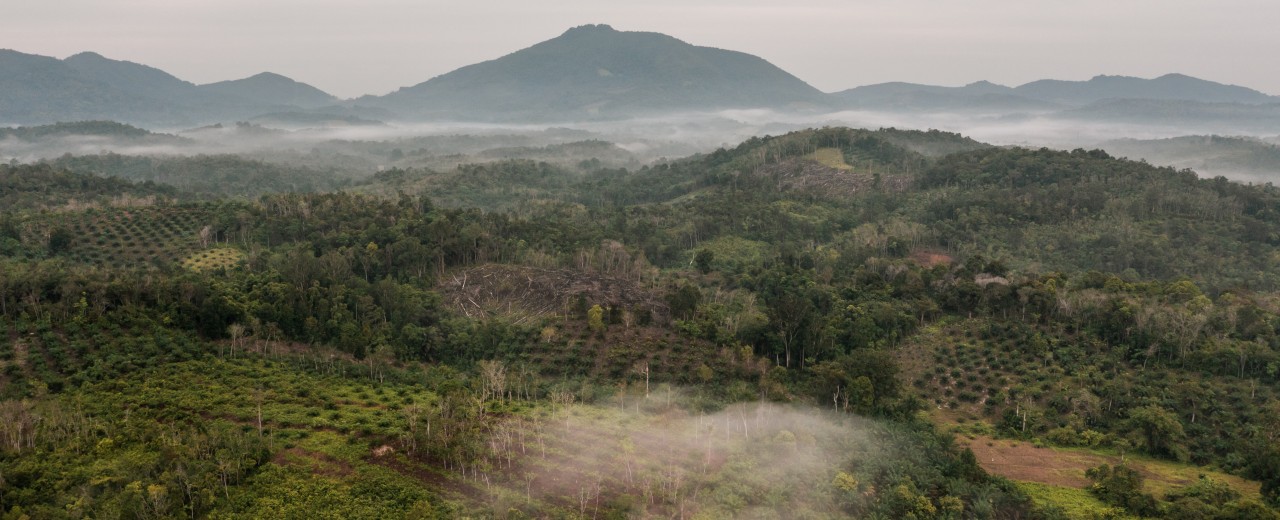
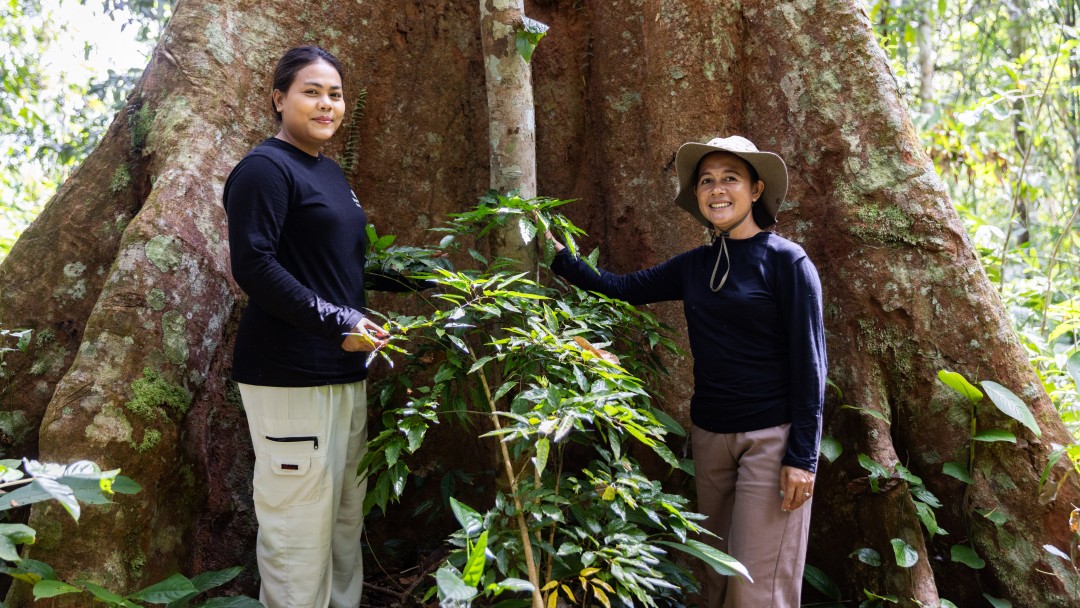
A trip to the Adat forest of Sanggau (West Kalimantan on Borneo) offers an authentic, unspoilt experience of nature and culture off the beaten track. You should easily allow two days for the journey from Yakarta… Once there, you can hike through the rainforest with local guides, learn about traditional medicine and experience the indigenous people’s close connection with nature.
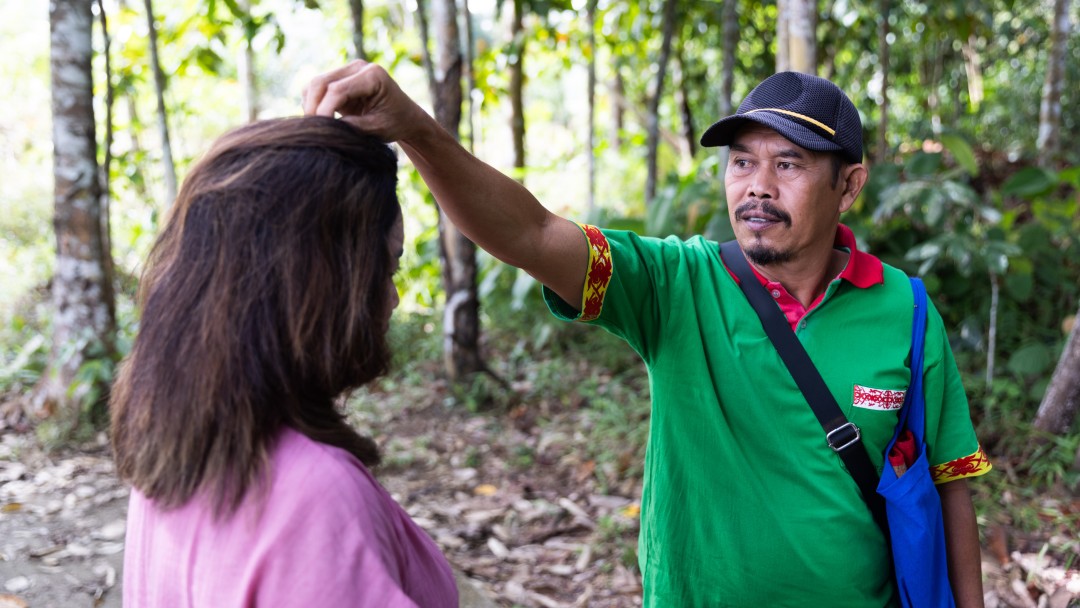
The term ‘Adat forest’ refers to the traditional forests managed by indigenous Dayak communities. These protected forests are subject to strict local customs and regulations, which help preserve rich biodiversity, medicinal plants and traditional land-use systems. The locals protect these sacred forests, steeped in legend; entering them often requires traditional rituals.
West-Kalimantan is home to 3 million indigenous Dayak people, comprising 200 ethnic subgroups. Some tribes still live as hunter-gatherers, secluded in the primary jungle in the island’s interior.
Borneo – stunningly diverse ecosystems
Borneo is the third-largest island in the world. It is home to some of the most valuable remaining tropical rainforests on Earth. Borneo’s incredibly diverse ecosystems are home to over 15,000 plant species, 222 mammal species and 420 bird species. Visitors can spot orangutans, tigers and elephants, and at night: millions of fireflies.
But Borneo’s forests are under threat. The loss of carbon sinks and slash-and-burn practices are driving up greenhouse gas emissions. The main economic sectors include oil production and the copra, rubber, timber and palm oil industries. As in many other Indonesian provinces, the clearing of forests to make way for oil palm plantations is an environmental and human rights issue.
KfW supports social forestry
Here, KfW, on behalf of the German government, supports Indonesian forestry authorities and local communities in managing selected forest areas in a socially, environmentally and economically sustainable manner. The communities are granted land ownership and resource rights for 30 years – a key prerequisite for fostering a sense of responsibility for forest management and for protecting against illegal logging. Unlike other programmes, this model is not based on a state licence but on the recognition of traditional land rights. However, its use is subject to clear conditions: the forest must be managed sustainably. For example, it must not be converted into agricultural land. The communities are obliged to preserve the ecological functions of the forest, such as its role in the water cycle, biodiversity and ecological balance.
Nature conservation is a high priority under Indonesian law. If an area has particularly high biodiversity – such as habitats for tigers or rare tree species – it is designated as a protected area, for example as a wildlife reserve, national park or nature reserve. These forests are managed directly by the central government and may not be converted to other uses. At the same time, park authorities lack the staff and equipment to ensure protection against poachers and illegal logging.
The ‘Tembawang’ system in Sanggau
Indonesia officially has around 120 million hectares of forest, although some estimates suggest that only around 90 million hectares actually remain.
Sanggau in West Kalimantan is also severely affected by deforestation. Indigenous communities are under pressure. For example, palm oil companies offer farmers up to 20–30% of the profits if they make their land available for plantations.
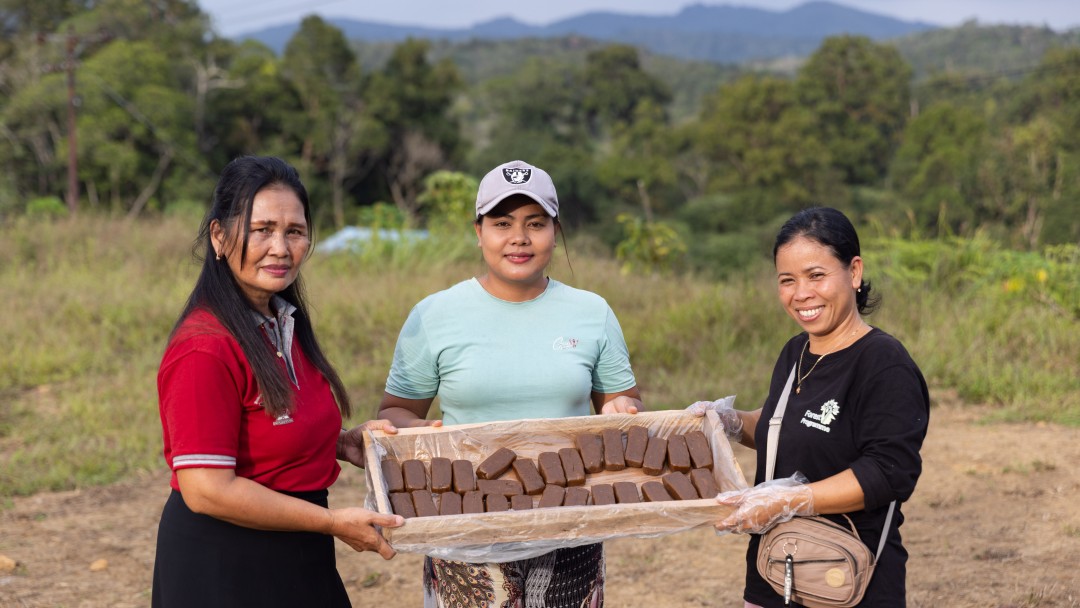
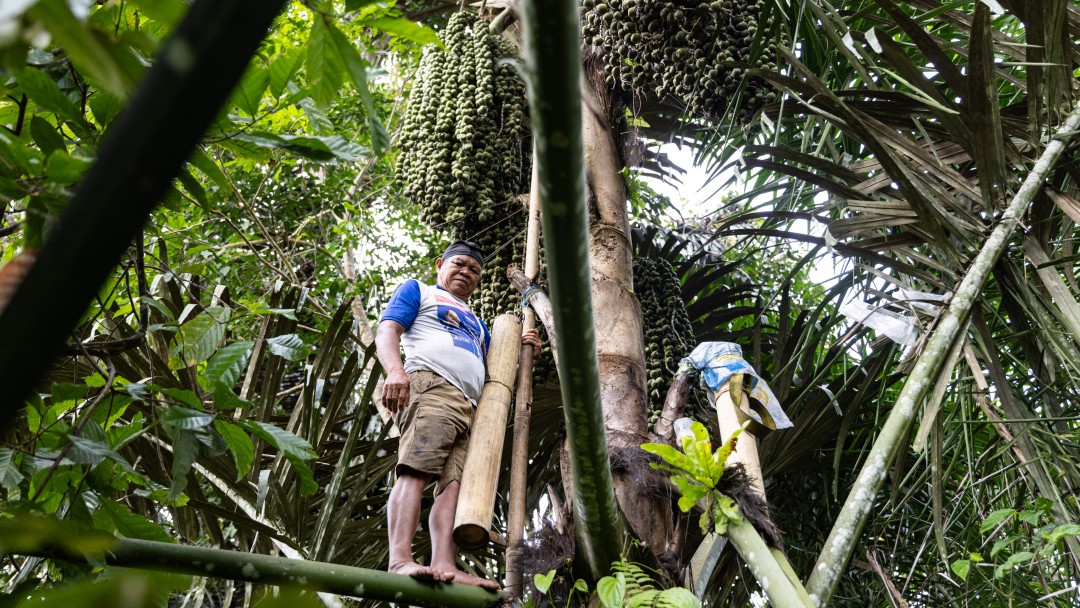
The key question remains: how can the forest be protected whilst at the same time generating an economic income for families? Communities often still feel a connection to the spirits of their ancestors. Traditional rituals are performed when sowing rice plants and tending the fields to receive the ancestors’ blessings and preserving the connection to nature and culture. The traditional ‘Tembawang’ system involves management by the local population and holds potential for ecotourism.
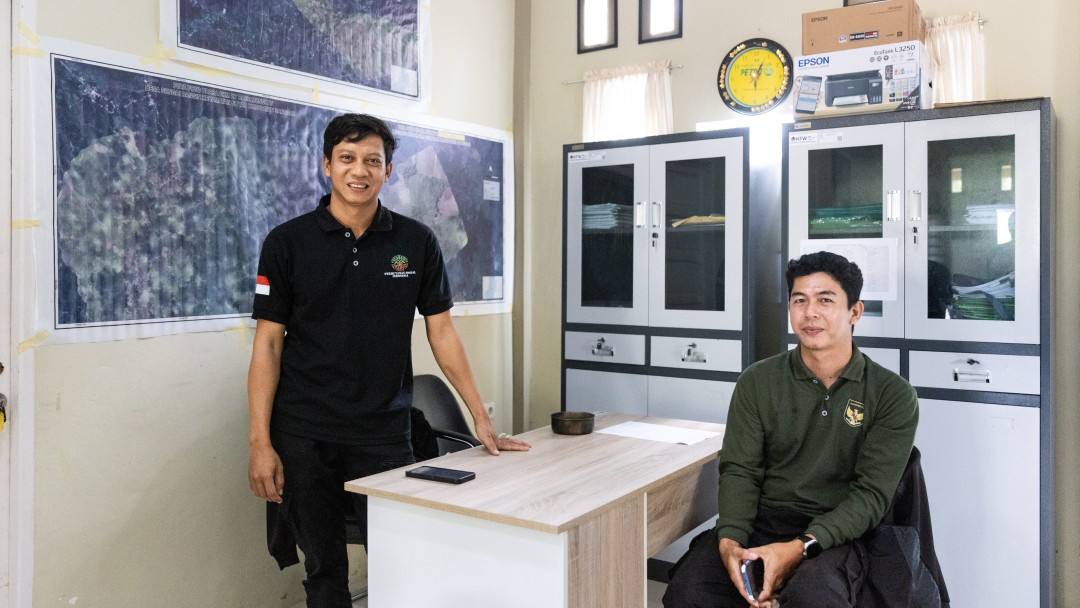
Sanggau Social Forestry Project Office
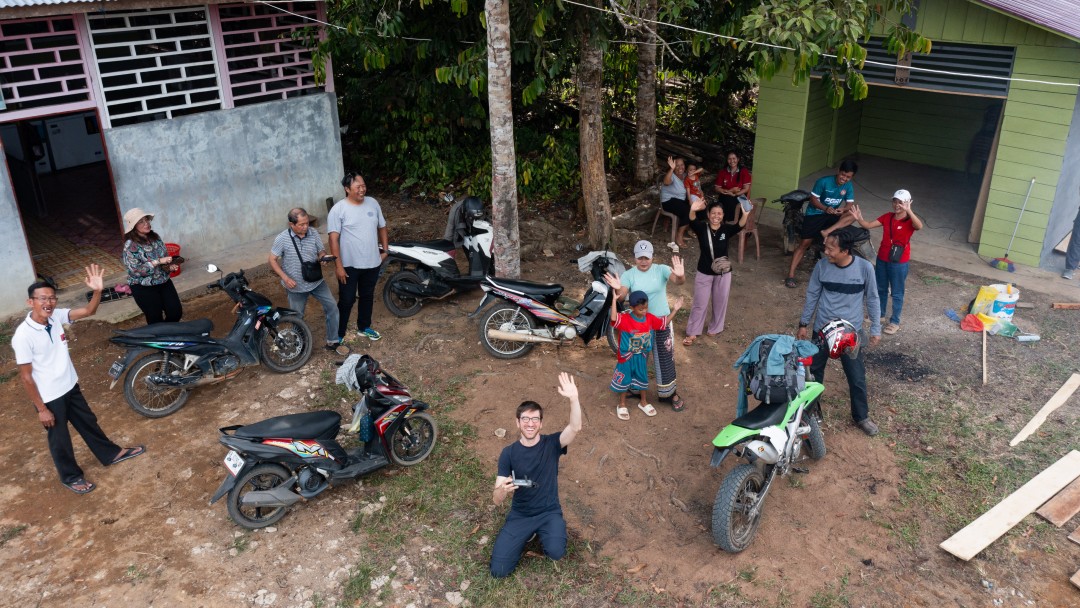
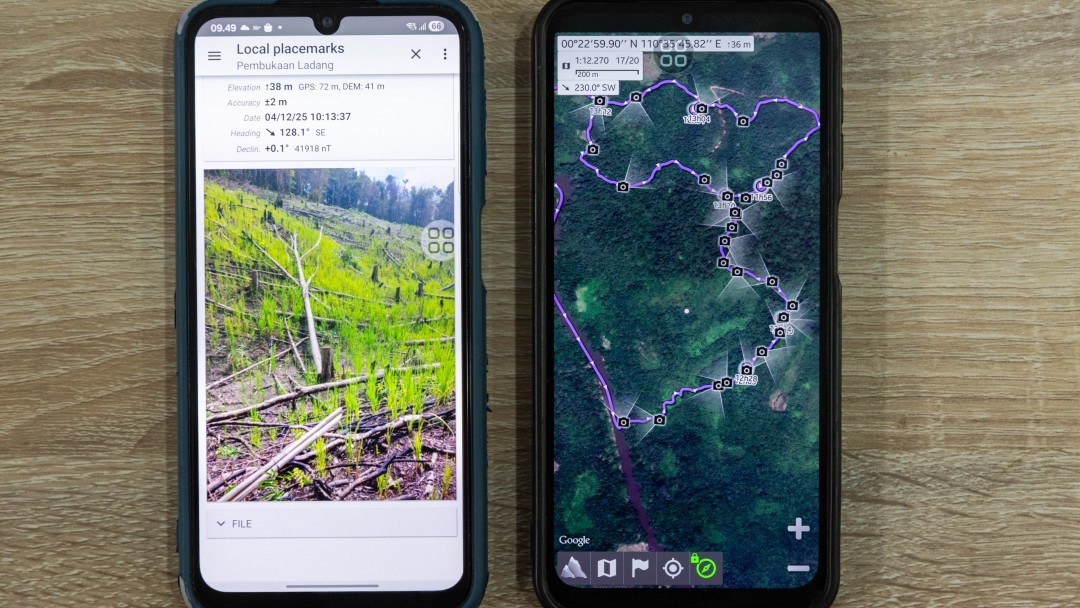
The project coordinates 17 community forestry groups in Sanggau. Its main tasks are to secure the livelihoods of the local population and to protect the forest. The project office coordinates the provision of equipment as required and organizes protective measures, such as forest patrols. To this end, 17 full-time facilitators are available, who are in regular contact with the village communities and the local administration.

Share page
To share the current page content with your network, click the button below and then select the desired option in the dialog box.
Note on data protection: By clicking the button, your browser's sharing function is used. If you select an external provider when sharing, personal data may be processed by the provider. Please read our data protection principles for more information.
Your browser does not support sharing with external services.
Alternatively, you can also copy the short link: https://www.kfw-entwicklungsbank.de/s/enzB_qvJ.DaUA
Copy link Link copied