
News from 2026-01-23 / KfW Development Bank
Investing in practical training
Job seekers and companies benefit equally
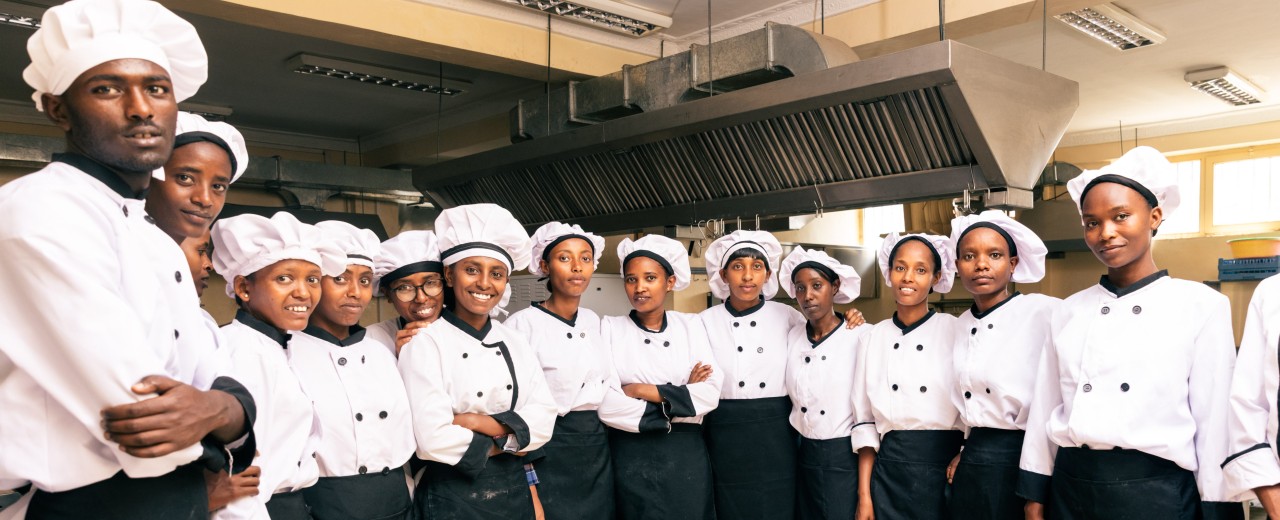
With a population of 130 million, Ethiopia has a very young, rapidly growing population. Since the mid-2000s, the country has developed into the third-largest economy in sub-Saharan Africa. However, the majority of the population works in agriculture or the informal sector, and one-third lives below the poverty line.
However, the private sector has been growing for several years now – but the Ethiopian labour market is unable to adequately meet the demand for qualified personnel from private companies. Skilled workers are particularly hard to find in engineering and technical professions. Yet the pool of labour is large. As in many African countries, the Ethiopian population is very young, with an average age of just under 17. Educational reforms in recent years have led to a sharp increase in the number of vocational school graduates, but many training and study programmes have little to do with what is required in practice. Teachers are often inadequately trained and facilities are poorly equipped. As a result, many young people find it difficult to find suitable jobs after completing their training.
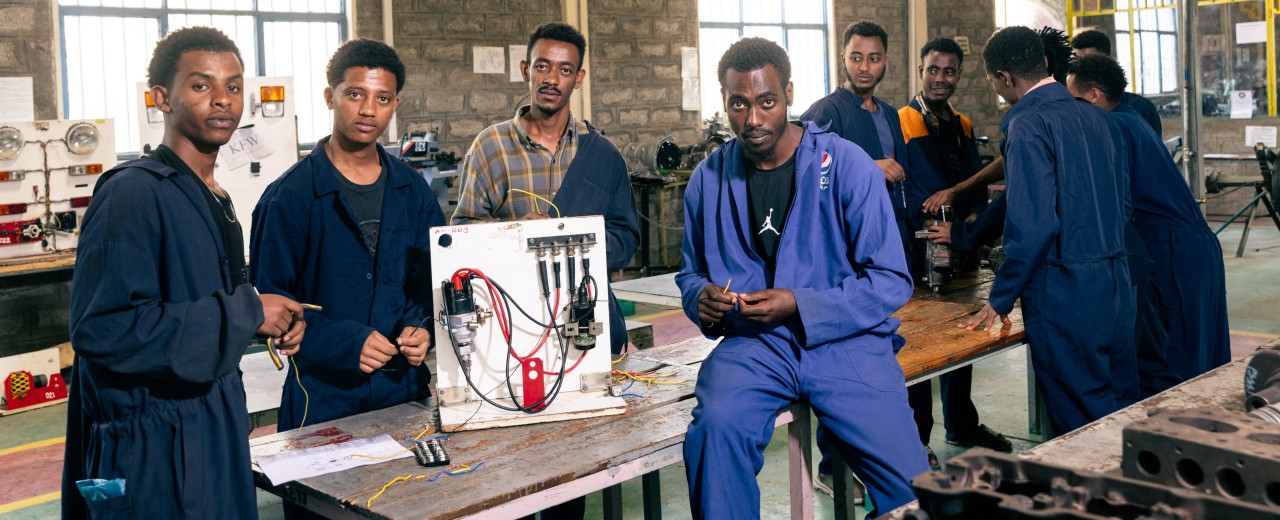
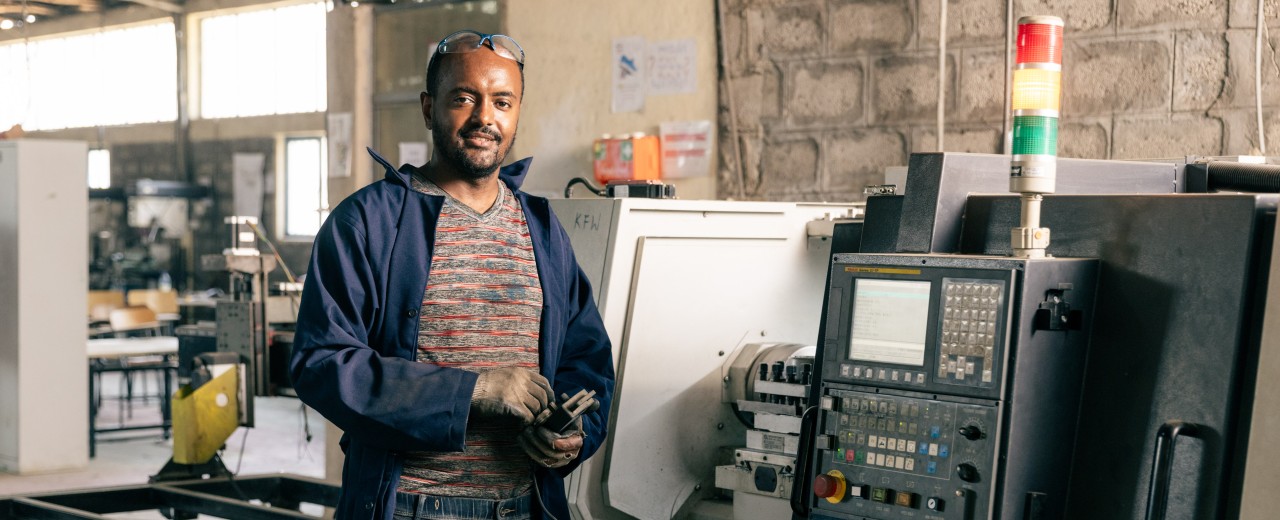
In cooperation with GIZ, KfW is supporting the Ethiopian government on behalf of the German government in further developing the vocational training sector. Training facilities are being redesigned and equipped to reflect practical needs, and teachers are being trained. This should benefit both young people undergoing training and companies in need of qualified personnel. Germany has been involved in this project since 2002. To date, more than 30,000 young men and women have benefited from it, and more than 100 companies have been integrated into vocational and higher education.
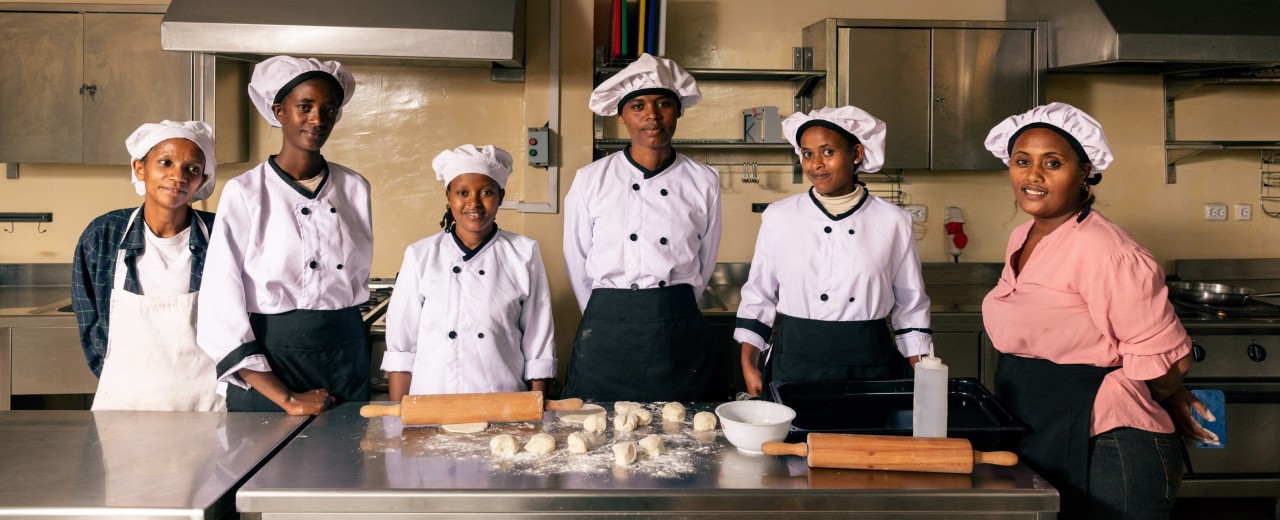
One example is Hawassa Polytechnic College, located just under 300 km south of Addis Ababa. Founded in 1990, it offers technical and vocational training in three areas, each covering a wide range of professions: industry, economic infrastructure, and the hotel and tourism sector. The training courses are tailored to the needs of companies – with the aim of making them competitive on national and global markets. The vision for the college is to offer high-quality training courses that meet the needs of business and industry.
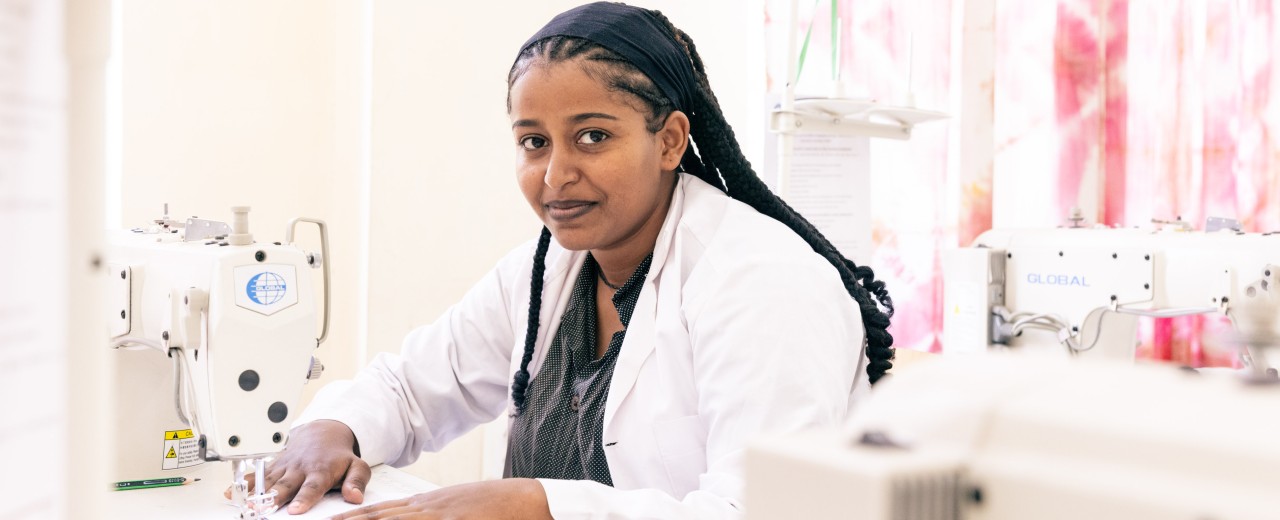
The training focuses on areas such as mechanical engineering and manufacturing technology, electrical engineering and electronics, construction and civil defence technology, computer science, mechatronics, food processing, textile processing and environmental technology.
There are more than 600 students enrolled in the fashion design and textile manufacturing programme, around 70 per cent of graduates find employment in larger textile companies. However, the training also includes the acquisition of business management know-how, as many trainees want to start their own businesses.

Share page
To share the current page content with your network, click the button below and then select the desired option in the dialog box.
Note on data protection: By clicking the button, your browser's sharing function is used. If you select an external provider when sharing, personal data may be processed by the provider. Please read our data protection principles for more information.
Your browser does not support sharing with external services.
Alternatively, you can also copy the short link: https://www.kfw-entwicklungsbank.de/s/enzBWrMC.DWXA
Copy link Link copied