
Tip: Activate javascript to be able to use all functions of our website
Tip: Activate javascript to be able to use all functions of our website
Climate smart agriculture
Improving food security through a unique interlinking of science and finance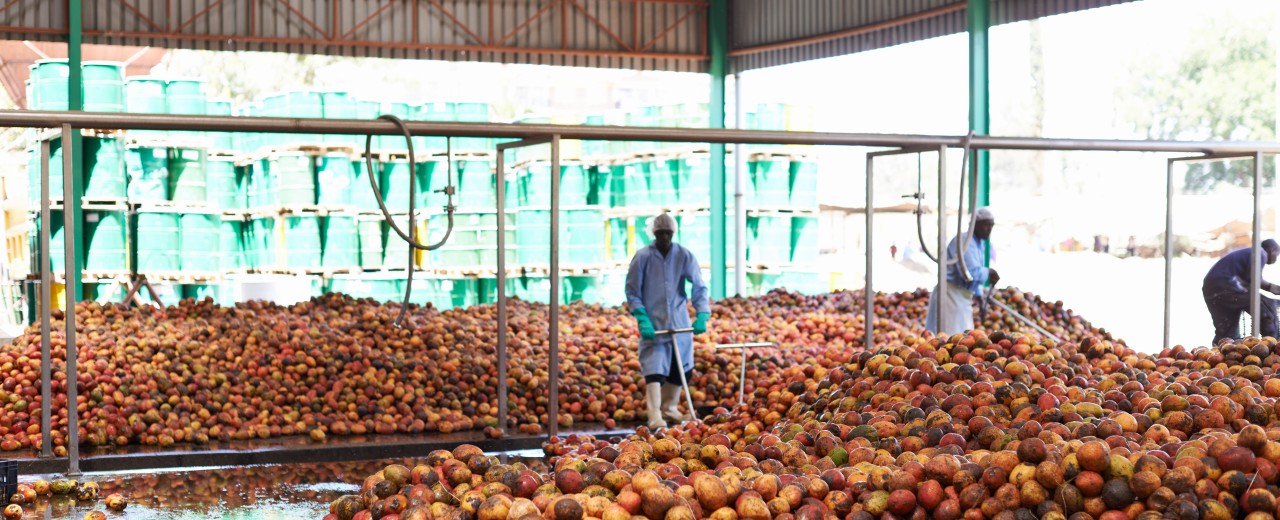
The world’s population is steadily growing, and with it the pressure on food production. In order to feed an estimated 9.7 billion people worldwide by 2050, this needs to be intensified, which in turn increases pressure on ecosystems and biodiversity, while agriculture itself is increasingly threatened by droughts, floods and other impacts of climate change. Already, it destroys USD123 billion of crops annually – roughly five percent of global agricultural GDP. In addition, there are massive post-harvest losses of USD 400 billion. All told, half a trillion US dollars of agricultural value is lost every year. A comprehensive transformation of agricultural and food systems is therefore urgently needed – with support for climate-resilient, low-emission and resource-efficient production techniques and a reduction in food losses. This is exactly where the Climate Smart Agriculture and Food Systems Fund (CSA Fund) comes in.
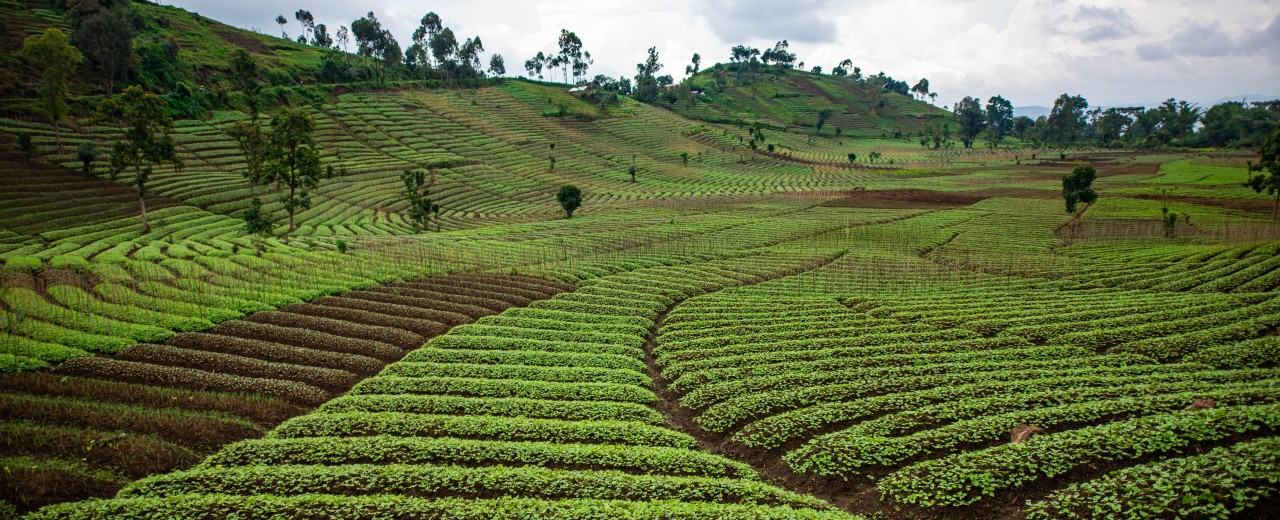
The CSA Fund provides needs-based finance for small and medium-sized enterprises (SMEs) to invest in low-emission, sustainable, smart and scalable production technologies. The focus is primarily on investments that reduce the loss of food, e.g. improved storage and transport facilities. KfW acts as an anchor investor on behalf of the German Federal Ministry for Economic Cooperation and Development and provides EUR 12 million for the fund. The aim of the investment is to encourage private investors to invest in the fund through the assumption of default risks. It is managed by the experienced impact investment company responsAbility. Meanwhile, institutions such as the Dutch development bank FMO, the Impact Fund Denmark (formerly IFU) and other impact investors have joined and are also investing in the fund. In this way, public funds can contribute in a targeted way to mobilising additional private capital.
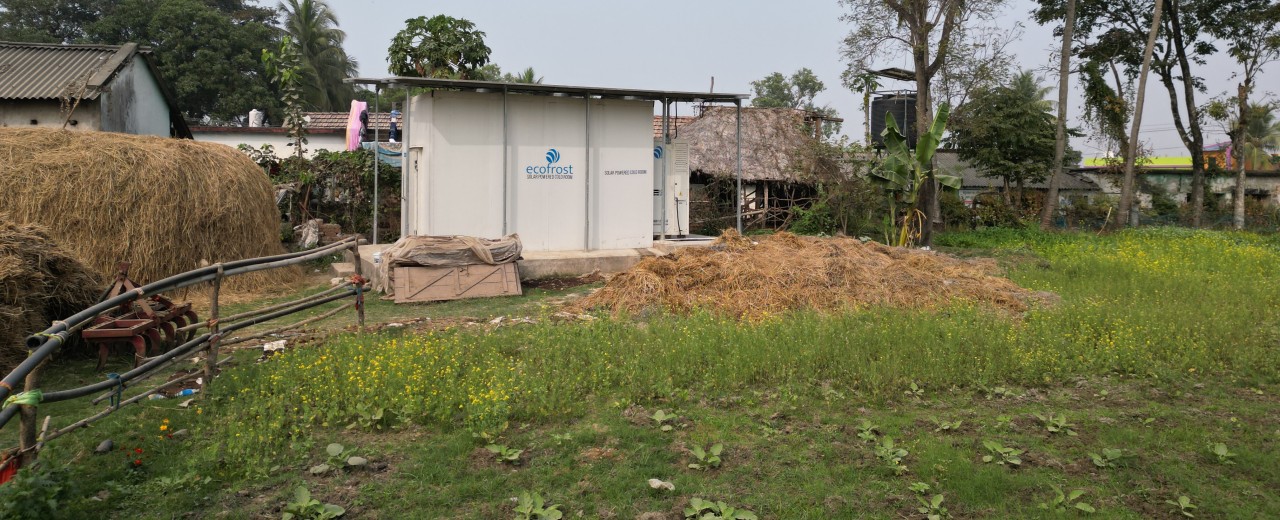
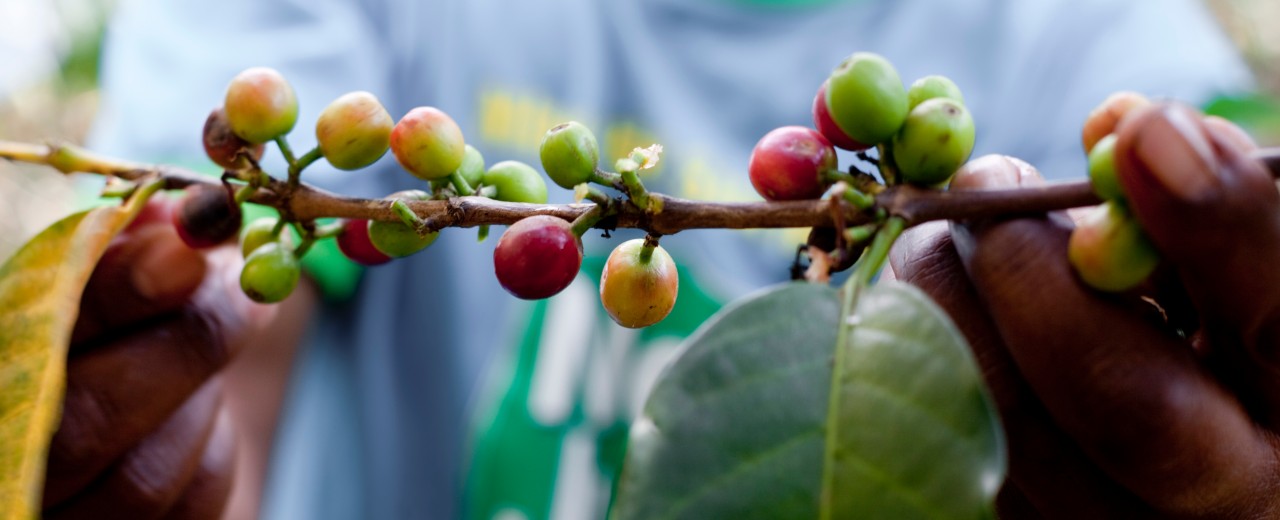
The Fund has currently paid out the committed funds in full, amounting to approximately USD 106 million. The loans go to SMEs along the agricultural value chain: from seed producers to farms and processing companies to marketers. In India, for example, investments in small solar-powered cold stores located directly in the fields reduce post-harvest losses in fruit and vegetable growing. In Uganda, the fund enables an organic producer to support his smallholder raw material suppliers in their transition from conventional to certified cultivation and to train them in climate-friendly practices. And in Colombia, the marketing of premium coffee through sustainable practices along the entire supply chain creates added value and thus higher income for coffee farmers. This creates more resilient companies that can manage with fewer resources and produce more at the same time.
Capital is only part of the solution. In addition, the international agricultural research network CGIAR, as a strategic partner of the Fund, contributes scientific know-how, regional expertise and an extensive network of experts. An unprecedented dovetailing of science and finance to address the challenges of climate change in the food system with a holistic approach. The EUR 2 million technical support facility co-financed by KfW ensures that companies receive not only money, but also the necessary knowledge. On the basis of the KfW commitment, further donors have made available around EUR 6 million for technical support.
Specialised consultants, for example, help to set up business management structures. Continuous support during the investment phase ensures implementation, and CGIAR experts provide practical technical solutions. The supported companies thus become lighthouses on which others can orient themselves. KfW’s extensive experience in setting up and managing impact investment funds with a focus on agricultural and climate finance is also of great advantage here. The CSA Fund builds on this and complements the existing portfolio of regional funds but is globally orientated and combines the priorities of food production, climate resilience and greenhouse gas reduction in an innovative way.
The investments also contribute to international development and climate goals: they help to reduce extreme poverty and ensure greater food security, sustainable production methods and effective climate protection. Studies show that a comprehensive transformation of agricultural and food systems can make a significant contribution to the emission reductions needed by 2050. Without such a shift, the sector would continue to drive global warming significantly. This is exactly what the CSA Fund pays for, enabling more resilient companies, more stable value chains, and fields that deliver reliable crops even under difficult conditions.

Share page
To share the content of this page with your network, click on one of the icons below.
Note on data protection: When you share content, your personal data is transferred to the selected network.
Data protection
Alternatively, you can also copy the short link: https://www.kfw-entwicklungsbank.de/s/enzB-54w
Copy link Link copied