
Tip: Activate javascript to be able to use all functions of our website
Tip: Activate javascript to be able to use all functions of our website
Air raid alarms, power cuts, and an increasingly fragile security situation have become part of everyday life for school children across Ukraine — taking a heavy toll on their emotional well-being.
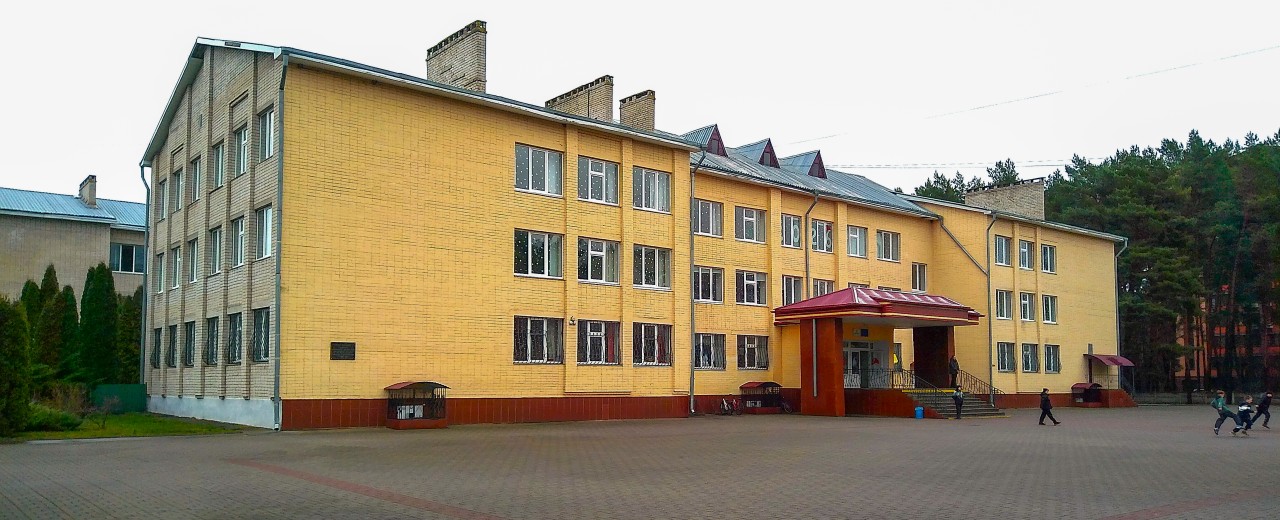
Against this backdrop, the Norwegian Refugee Council’s (NRC) Better Learning Programme (BLP) implemented at the “Uspikh” Gymnasium in Slavuta, Khmelnytskyi region, has become a powerful source of emotional support for students, teachers, and their families during challenging times. The project is financed by the German Federal Ministry for Economic Cooperation and Development (BMZ) through the KfW Development Bank.
BLP is NRC’s psychosocial support programme for schools that helps teachers to support children who are suffering from stress and trauma as a result of war and displacement. Through BLP classes, children are learning how to recognise stress and manage anxiety using practical techniques they can apply both at school and at home.
“The knowledge I gain during the BLP lessons helps me cope with stress. When I feel anxious, I listen to music and sometimes draw,” shares Ivan, a student at the gymnasium.
Teachers also see clear changes in students’ emotional well-being, especially during high-stress periods such as exams.
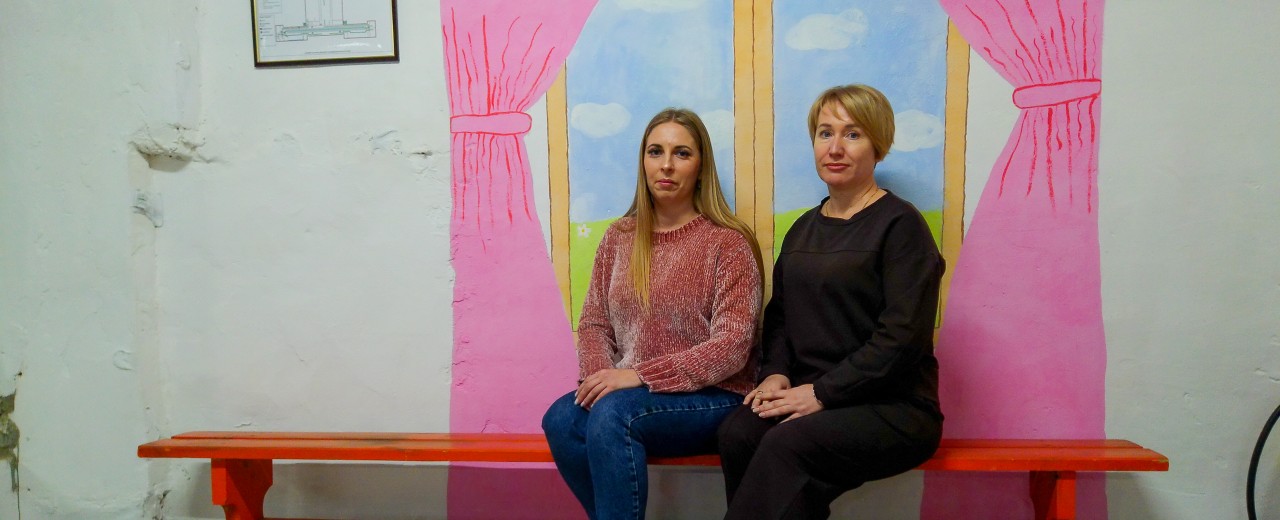
"Right now, students are taking their half-year tests, and many of them are worried. To reduce their stress, we do calming exercises. Breathing and relaxation techniques really help them cope with anxiety,” explains gymnasium teacher Nataliia.
The positive impact of the programme extends beyond the classroom. Children actively share what they have learned with their parents and families, giving advice on how to behave in stressful situations at home. Teachers say that parents appreciate the programme, noting positive changes:
“We clearly see a positive dynamic in stress management. Children feel safe and comfortable while doing the exercises, and this is the most important thing for us,” shares school psychologist Kateryna.
Together with that, BLP complemented by remedial learning opportunities are helping to support children who are facing education difficulties and efficiently address their learning losses. In addition to psychosocial support, the gymnasium renovated and equipped a bomb shelter with classroom furniture. Before this, limited space meant that students had to study in two shifts in order to do so safely, with lessons taking place both before and after lunch.
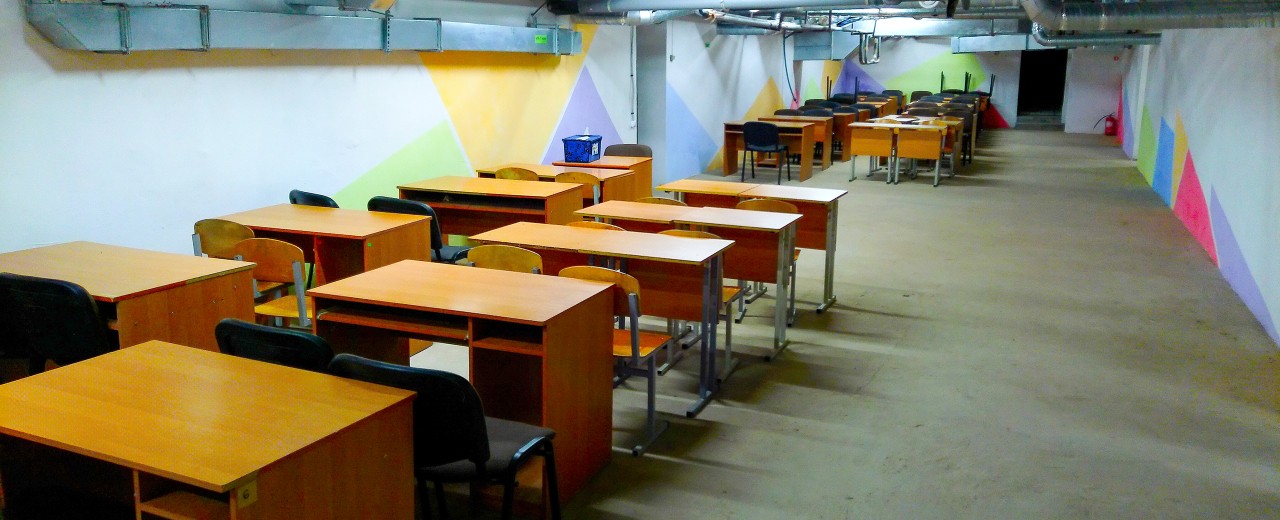
The new learning space now allows the school to operate in one shift, significantly improving daily life for families. Children have more time for extracurricular activities, while parents are able to work regular hours, contributing to greater economic stability within the community.
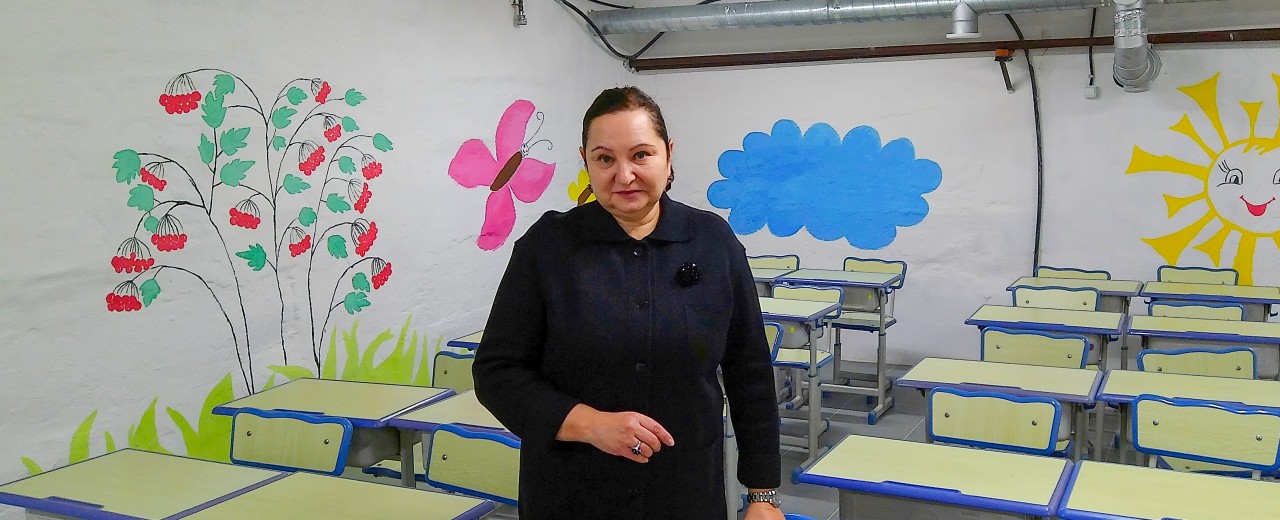
“All the work done in the shelter gives children a sense of comfort and security,” concludes Inna, the director of the gymnasium.
We would like to thank NRC for the text and photos.

Share page
To share the content of this page with your network, click on one of the icons below.
Note on data protection: When you share content, your personal data is transferred to the selected network.
Data protection
Alternatively, you can also copy the short link: https://www.kfw-entwicklungsbank.de/s/enzB-cjD
Copy link Link copied